Unit 1




This video traces the Jewish people’s 4,000-year connection to the Land of Israel, from the biblical era through exile and diaspora to the establishment of the modern State of Israel.
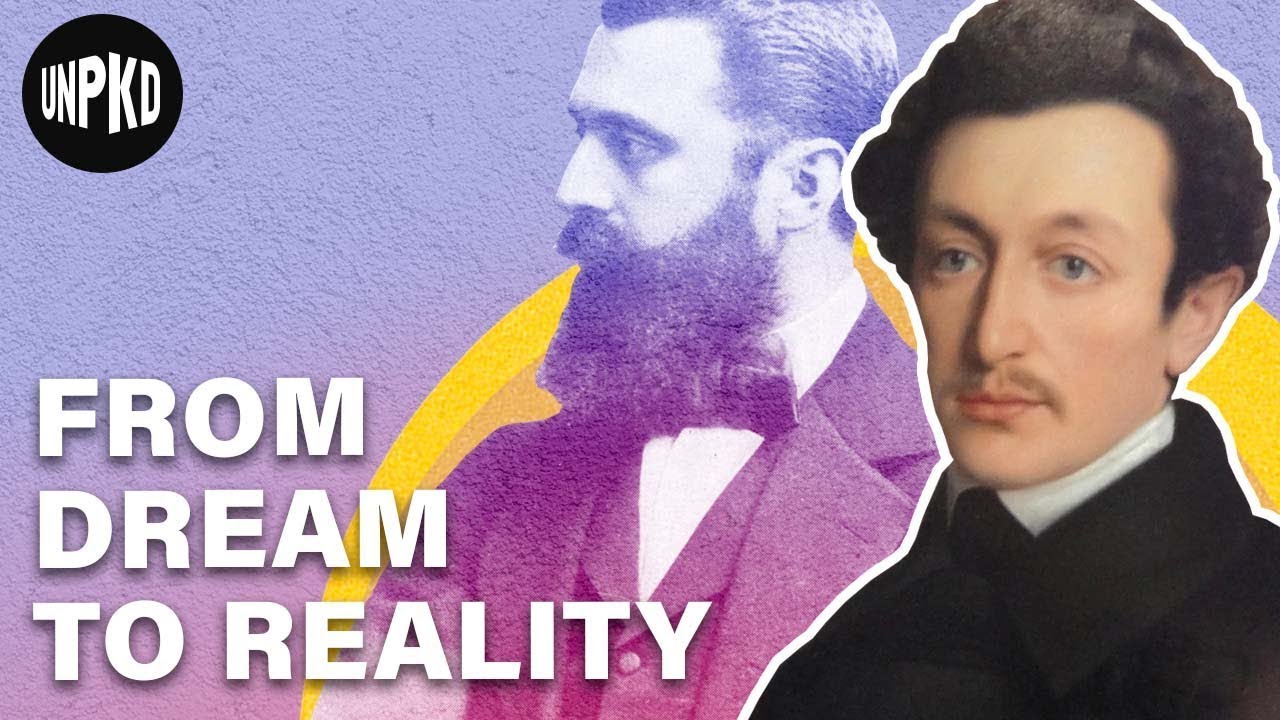
This video explores the origins and evolution of Zionism, from its biblical foundations to its emergence as a modern political movement, culminating in the establishment of the State of Israel in 1948.
This video explores the history of the Land of Israel under successive empires, highlighting the Jewish people’s enduring connection to the land and the impact of foreign conquests from antiquity through the modern era.
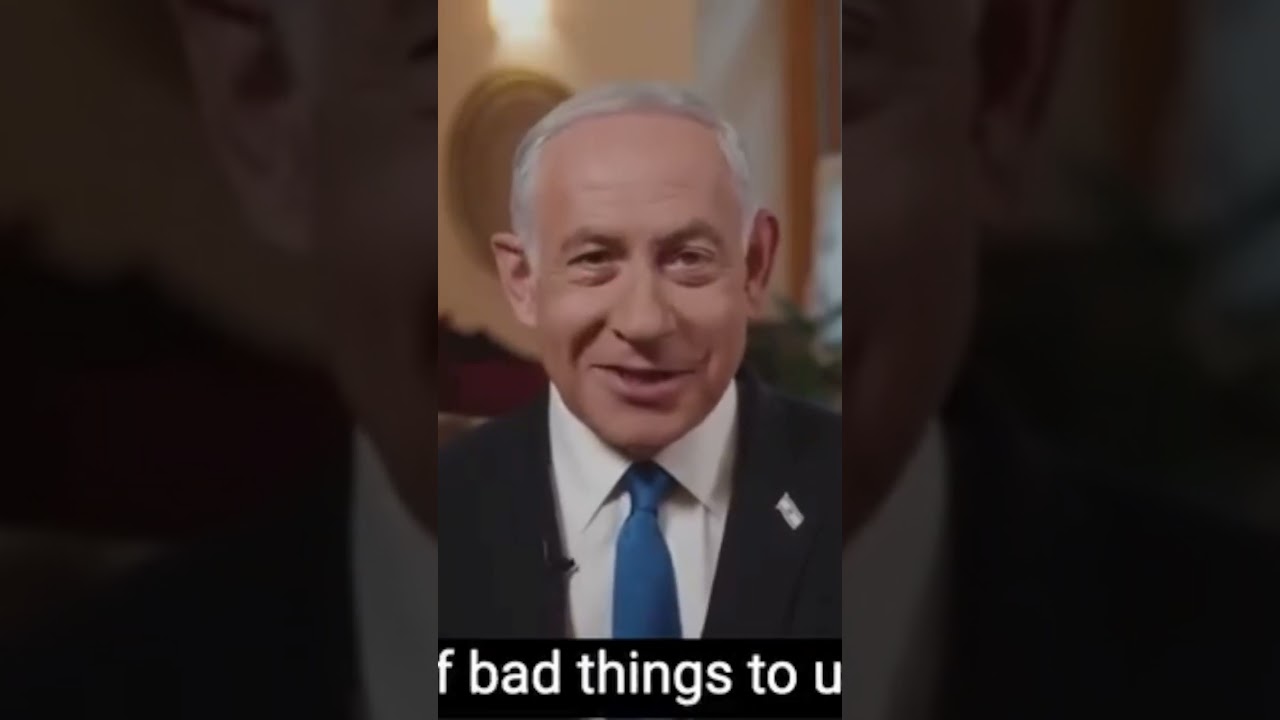
This video examines Prime Minister Benjamin Netanyahu’s address to the U.S. Congress, in which he presents the historical, biblical, and legal foundations of the Jewish people’s connection to—and claim to—the Land of Israel.
This video explores the Israelites’ conquest and settlement of the Land of Israel under Yehoshua, the period of the Shoftim (Judges), and the challenges that ultimately led to the establishment of the Israelite monarchy.
This video features Canadian politician Pierre Poilievre sharing his perspective on Israel, emphasizing its democratic values, security challenges, and the importance of standing with Israel on the international stage.
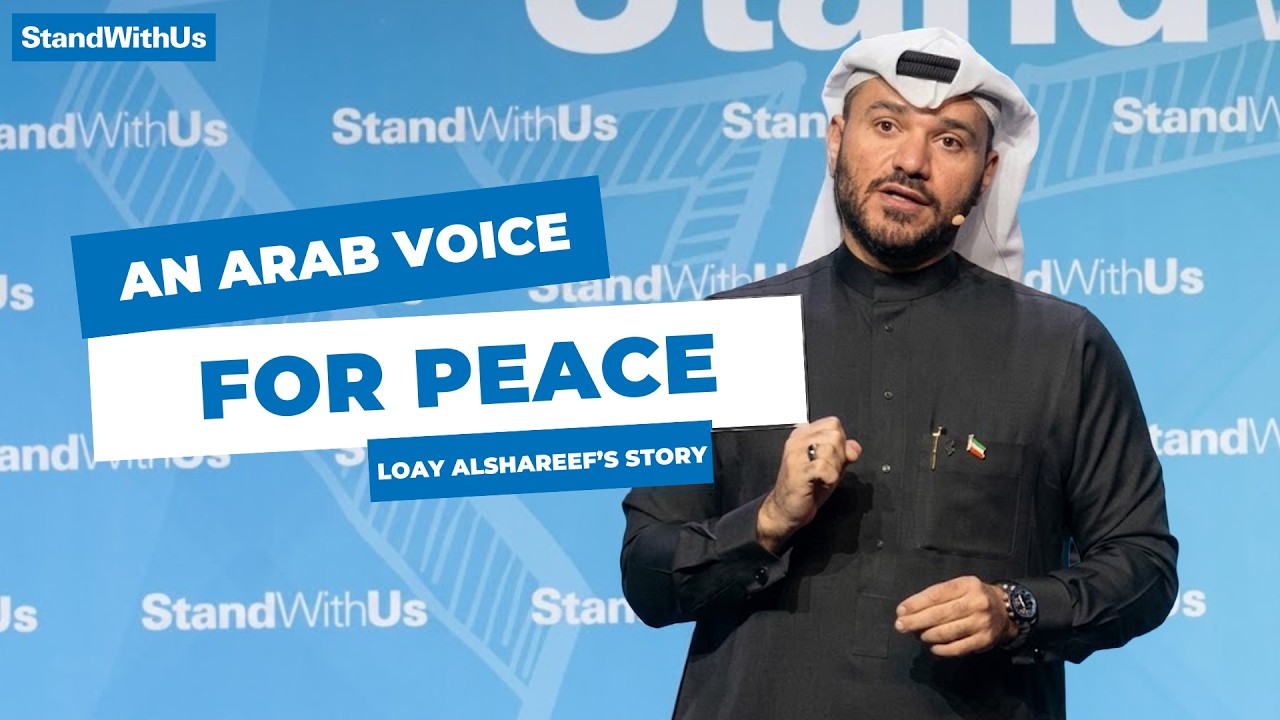
This video features Loay Alshareef discussing how archaeological discoveries provide compelling evidence of the Jewish people’s ancient connection to the Land of Israel and the role archaeology plays in understanding the region’s history.
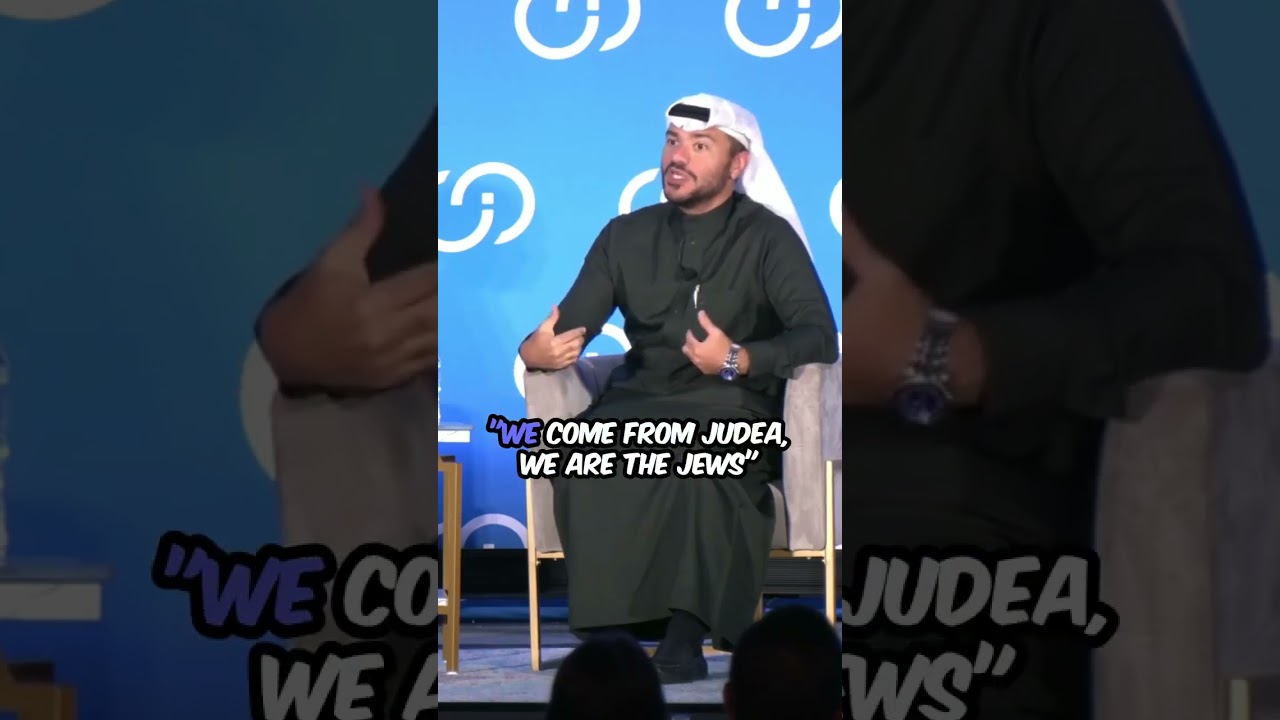
This video features Loay Alshareef explaining the historical origins of the term “Jews” and how understanding Jewish history and identity can inform contemporary discussions about the Jewish people’s indigenous connection to the Land of Israel.
This video explores the importance of confronting extremism while promoting peace, highlighting the Abraham Accords and the power of dialogue, cooperation, and shared humanity to build a more stable and prosperous Middle East.
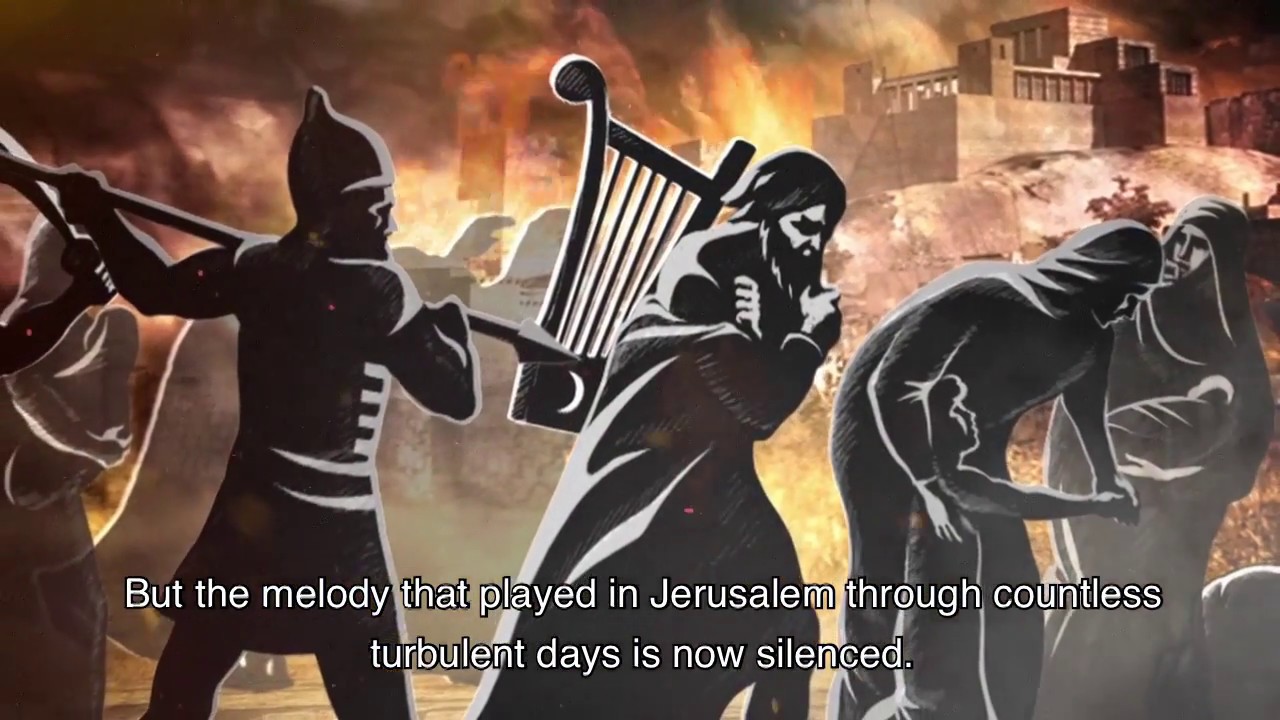
This video examines the Babylonian conquest of Judah, the destruction of the First Beit Hamikdash, and the beginning of the Babylonian Exile, a pivotal turning point that shaped Jewish history and the enduring hope of returning to Zion.
This video looks at the long-standing connection between the Jewish people and the Land of Israel, including its importance in Jewish history, tradition, and identity.
The origins of Judaism are explored through important figures such as Abraham and Moses, along with the beliefs and traditions that developed around them.
This video tells the story of Abraham and the early beginnings of Jewish tradition, including important events and ideas connected to his life.
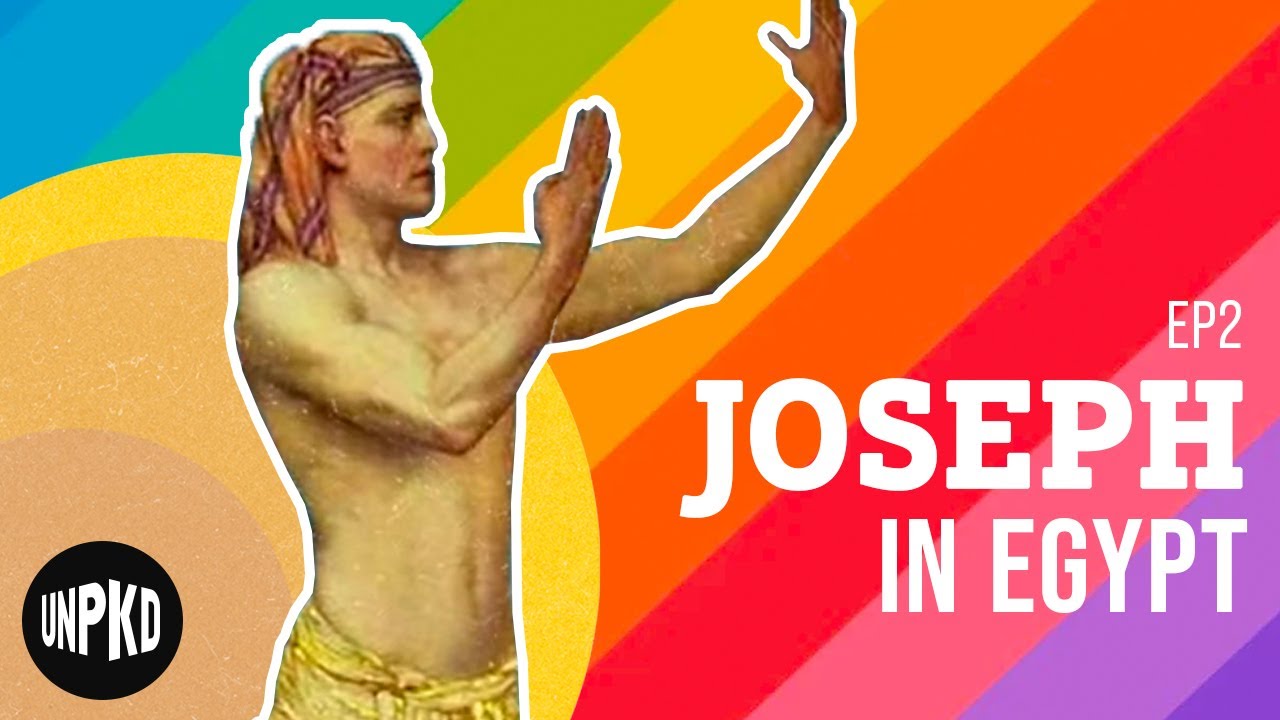
Joseph’s story follows his difficult relationship with his brothers, his life in slavery, and the events that eventually change his fate.
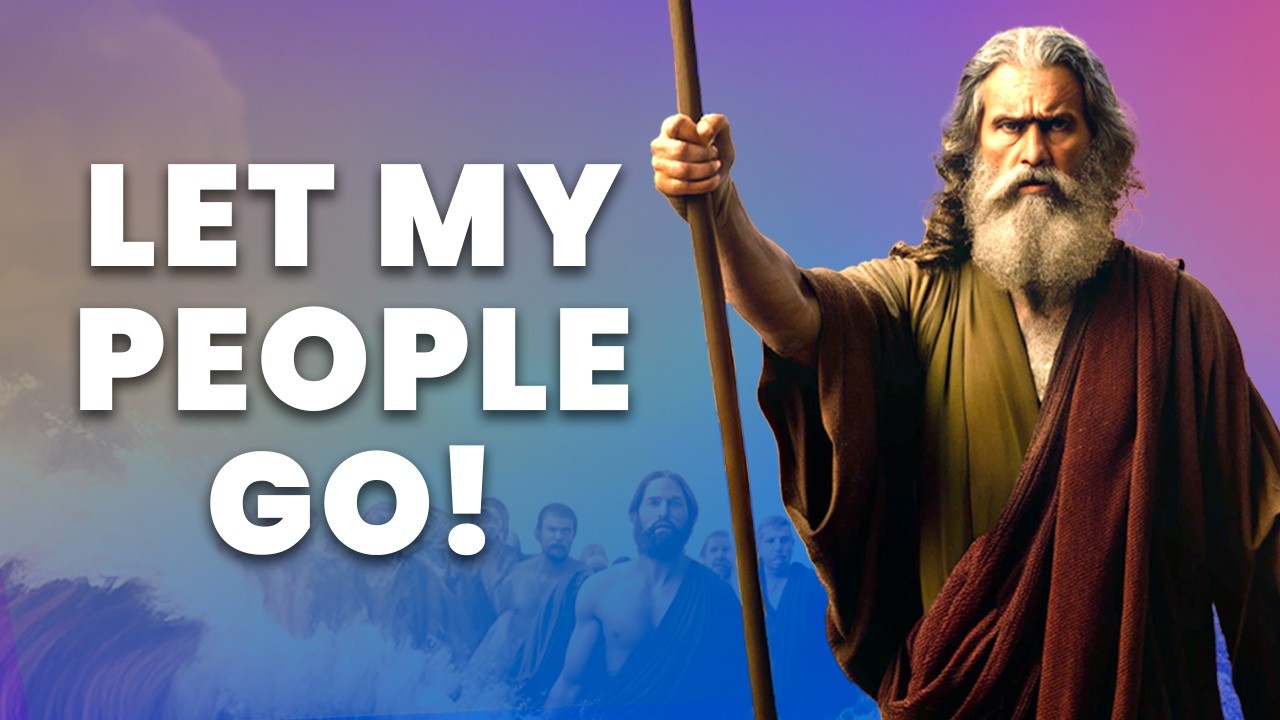
Follow the story of Moses and the Israelites as they leave Egypt, experiencing the major events that shaped their journey and early history.
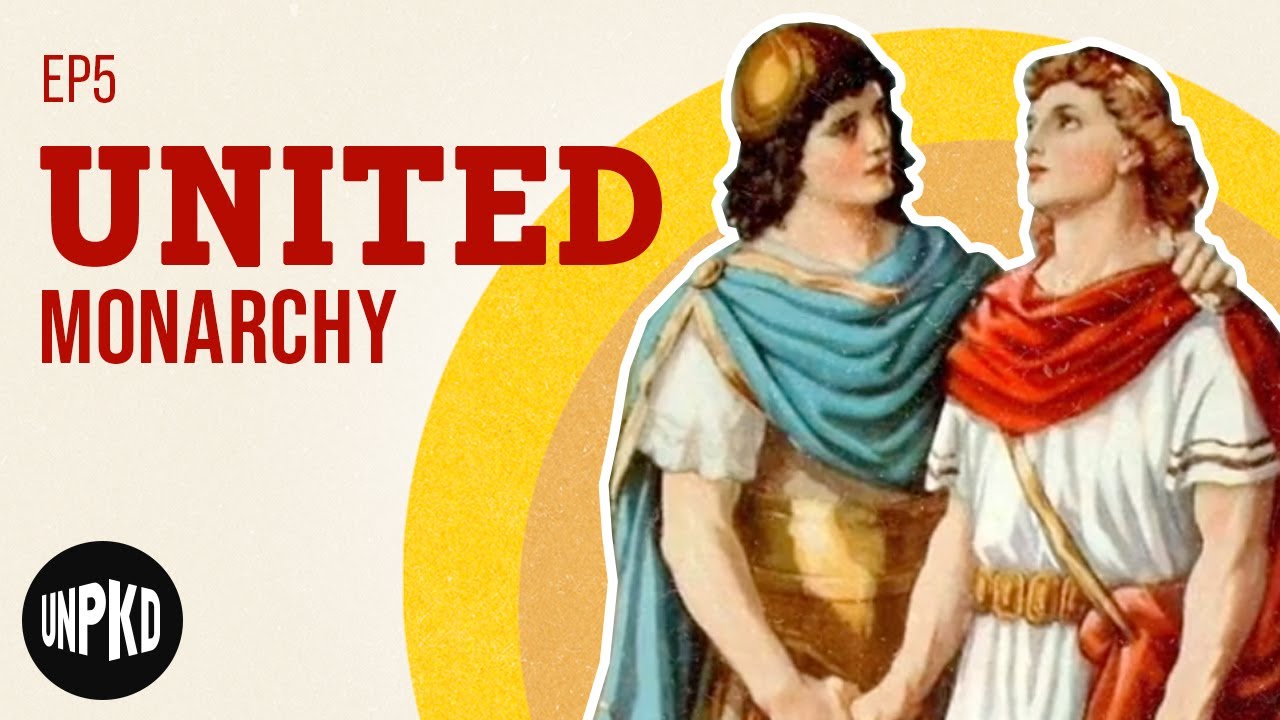
This video covers the period of the United Monarchy, when Saul, David, and Solomon ruled over a united Israel and helped shape its early kingdom.
King David’s story reveals both his role as a powerful leader and the personal challenges and struggles he experienced throughout his life.
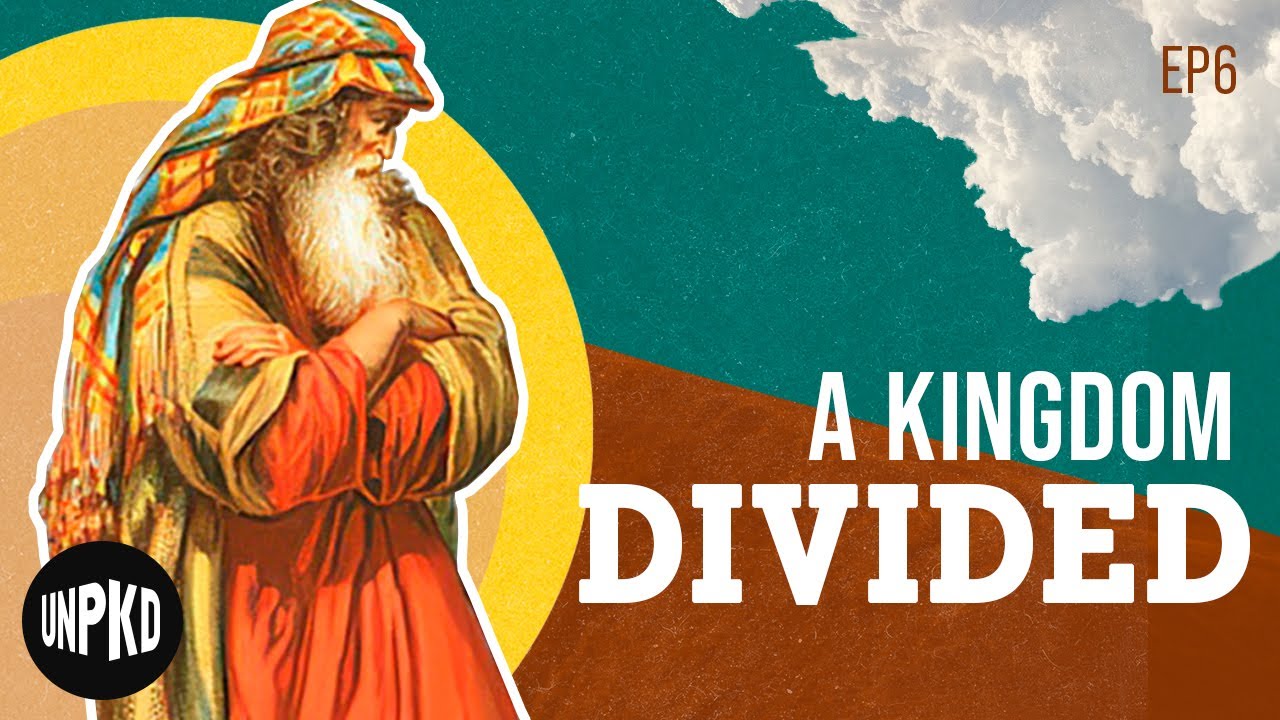
After the kingdom of Israel divided, conflict and political changes reshaped the region and eventually brought about the fall of the northern kingdom.
Meet several important figures from the Hebrew Bible and learn about the stories, challenges, and roles that made them significant in Jewish tradition.
The exile of the northern kingdom led to the disappearance of many Israelites from the historical record, giving rise to the enduring story of the Lost Tribes.
The Babylonian conquest changed the course of Judean history, bringing the destruction of Jerusalem and the exile of many Judeans to Babylonia.
Discover the history of Ethiopian Jewish communities, including their traditions, experiences in Ethiopia, and connection to the wider Jewish world.
This video introduces the Bnei Menashe of India and their traditions, history, and claimed connection to the ancient Tribe of Menashe.
Learn about the Igbo Jewish community in Nigeria, their religious practices and traditions, and the development of their connection to Judaism.
Jerusalem has played a central role in Jewish history and tradition for thousands of years. This video examines the different reasons the city holds such importance.
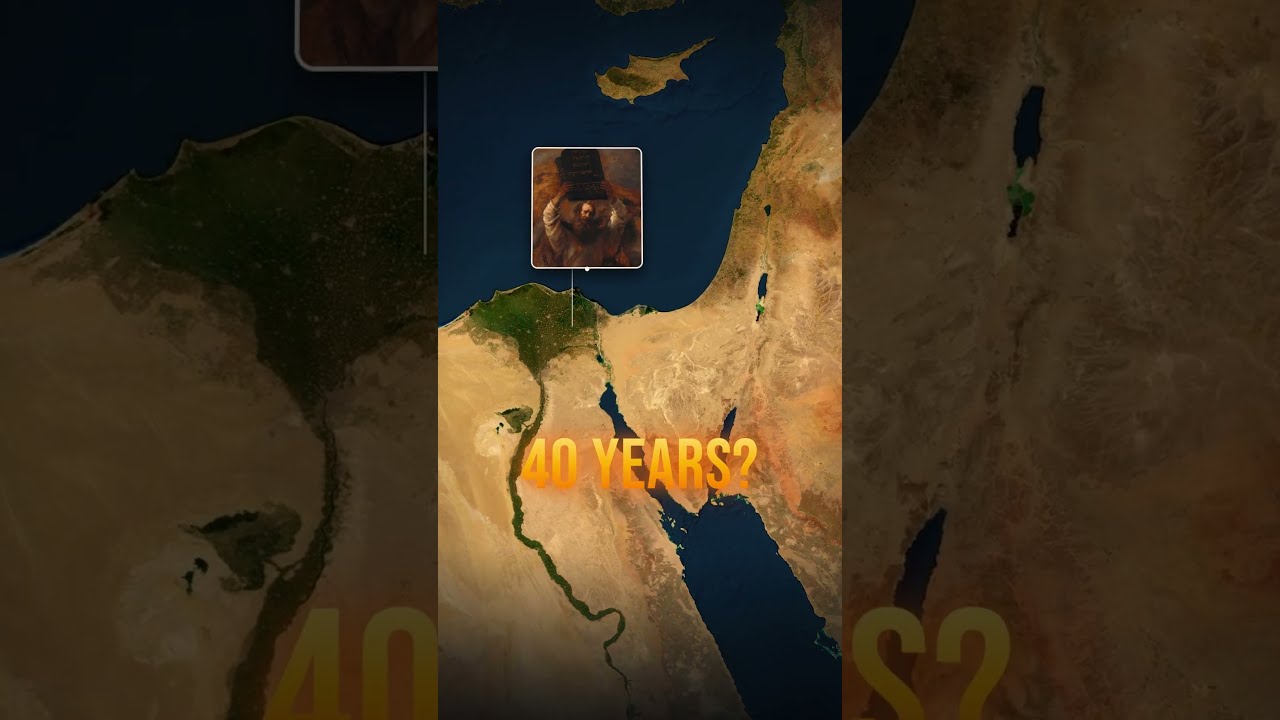
This video maps out the biblical Exodus stop by stop from Egypt to Jericho, tracing key events and geographic locations along the journey. It highlights how what was direct distance turned into a forty-year trek across the wilderness.
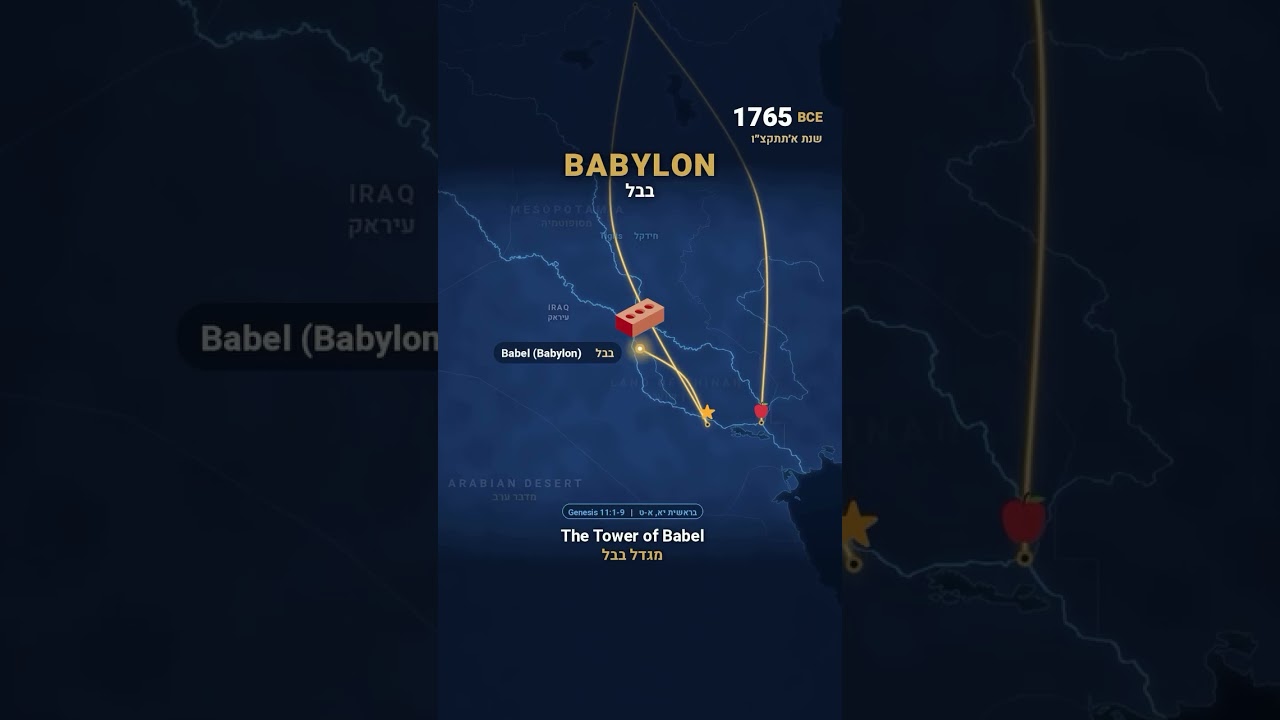
This video examines the biblical origins and historical timeline of the Land of Israel, shedding light on the key figures, migratory journeys, and foundational milestones from Genesis to the arrival in Canaan.
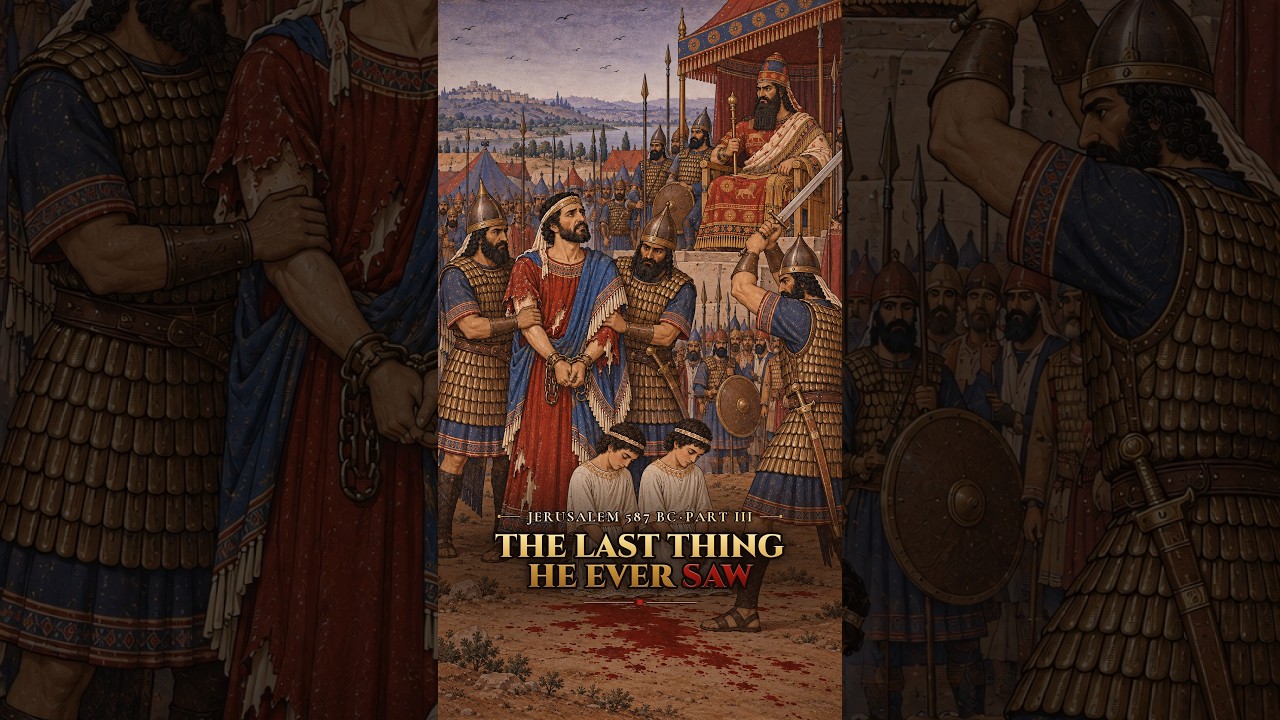
This video recounts the fall of Jerusalem in 587 BCE, when the Babylonians captured King Zedekiah, destroyed Solomon’s Temple, and brought an end to the Kingdom of Judah.
Unit 2
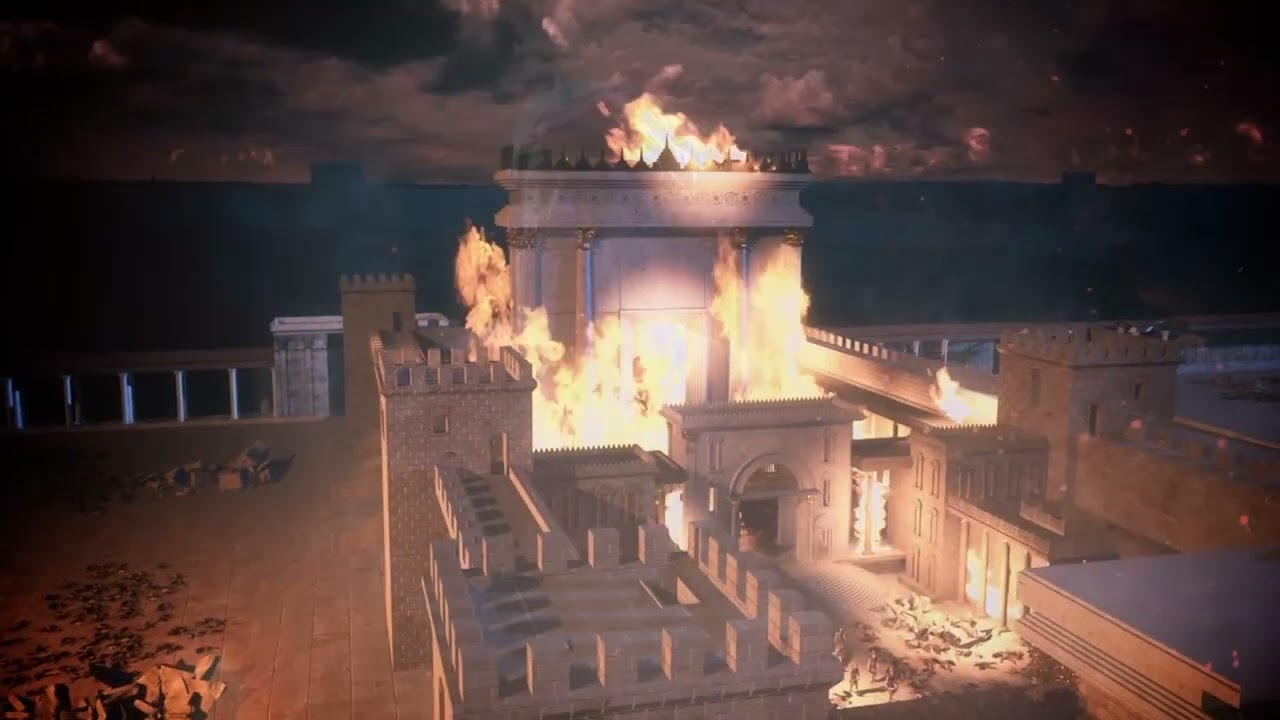

This video explores how Rabbi Yohanan ben Zakkai and the sages of Yavneh preserved Jewish identity after the destruction of the Second Beit Hamikdash by establishing new foundations for Jewish leadership, prayer, and Torah study that sustained the Jewish people throughout exile.
This video examines the Jewish people’s indigenous connection to the Land of Israel, exploring how centuries of exile created a global diaspora while preserving a shared history, identity, and enduring bond with their ancestral homeland.
This video explores the Babylonian conquest of Judah, the destruction of Jerusalem and the First Temple, and the exile of many Judeans to Babylonia. It also examines how this period shaped Jewish history and life in exile.
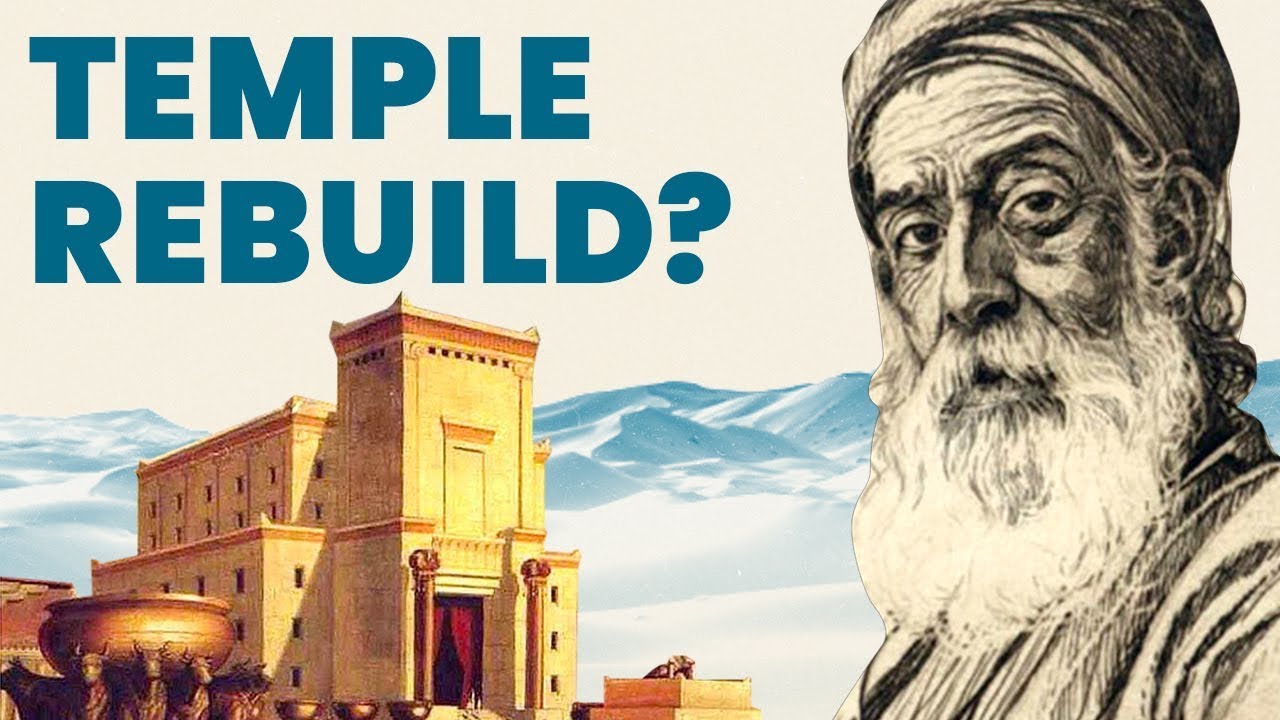
This video covers the return of the Jewish people from Babylonian exile and the rebuilding of the Temple in Jerusalem. It looks at the Persian period and the role this restoration played in the development of Jewish life and identity.
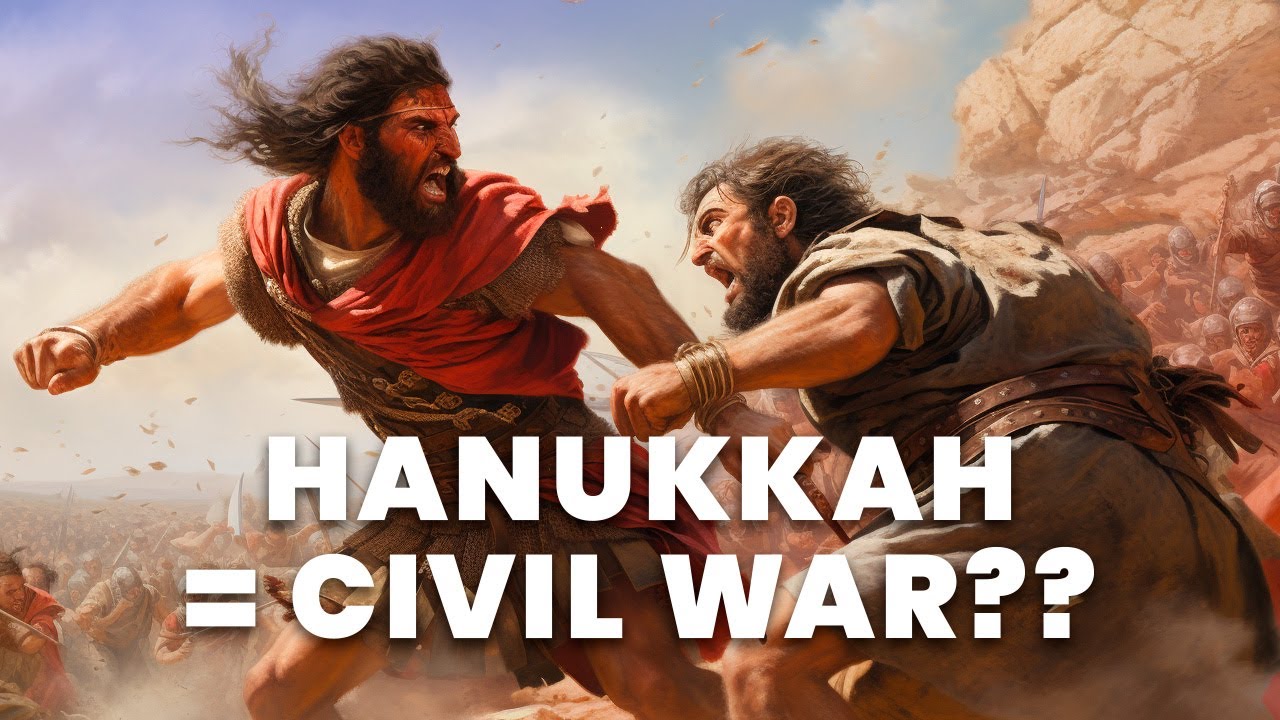
This video examines the spread of Greek culture in Judea, the conflict between Hellenization and traditional Jewish practices, and the Hasmonean revolt that led to the events celebrated during Hanukkah.
This video traces the origins of Hanukkah, covering the Maccabean revolt, the rededication of the Temple in Jerusalem, and the traditions that became part of the holiday’s history.
This video explores the period when Judea came under Roman rule, focusing on Roman influence, Jewish resistance, and the growing tensions that eventually contributed to major conflict and rebellion.
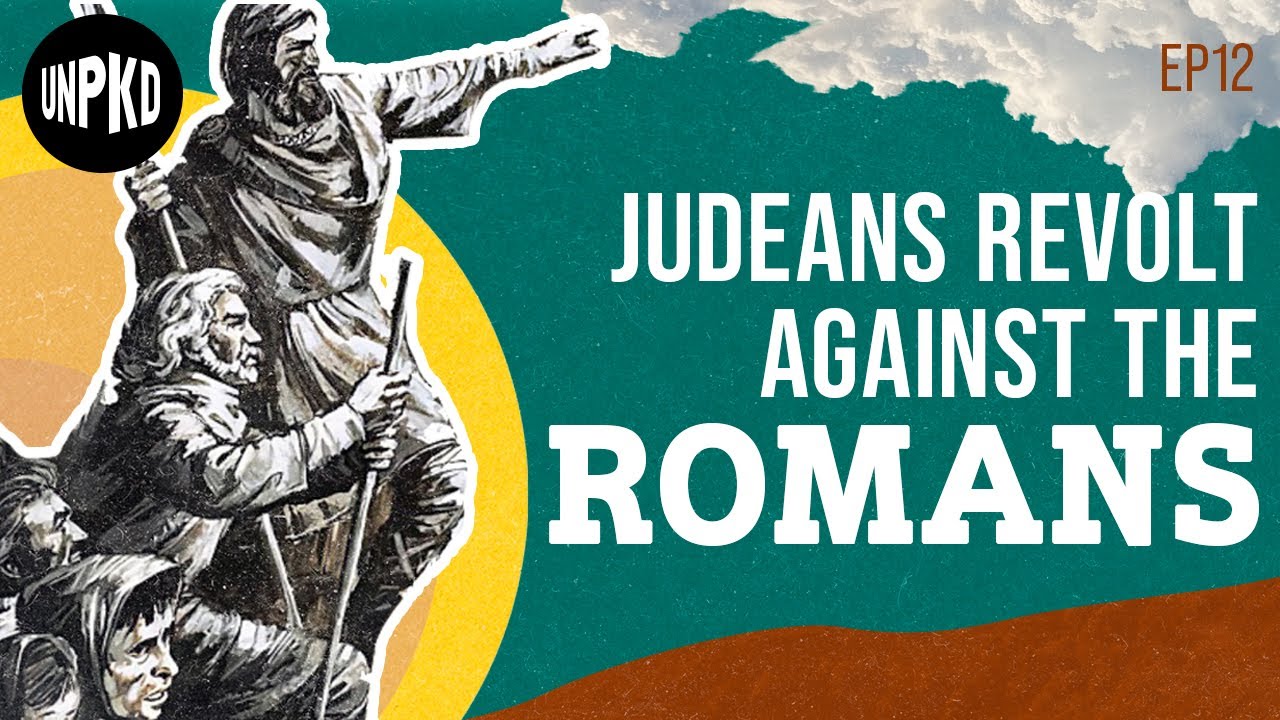
This video covers the Judean revolt against Roman rule, examining the causes of the rebellion, the major battles that followed, and the struggle that eventually led to the destruction of Jerusalem and the Second Temple.
This video explores the early relationship between Christianity and Judaism, examining the origins of Christianity, its connection to Jewish traditions, and how relations between Christians and Jews developed over time.
This video introduces the origins of Islam, covering the life and teachings of Muhammad, the beginnings of the Muslim community, and the spread of Islam across Arabia.
This video explores the history of Jewish communities in Arabia, focusing on their lives, relationships with neighboring groups, and the changes they experienced with the rise of Islam.
This video examines the relationships between Jewish and Muslim communities during the Crusades, highlighting instances of cooperation, shared experiences, and the ways they responded to the conflicts of the period.
This video introduces Rashi and the Jewish communities of Ashkenaz, exploring Rashi’s life, his influential commentaries on Jewish texts, and the world in which he lived and taught.
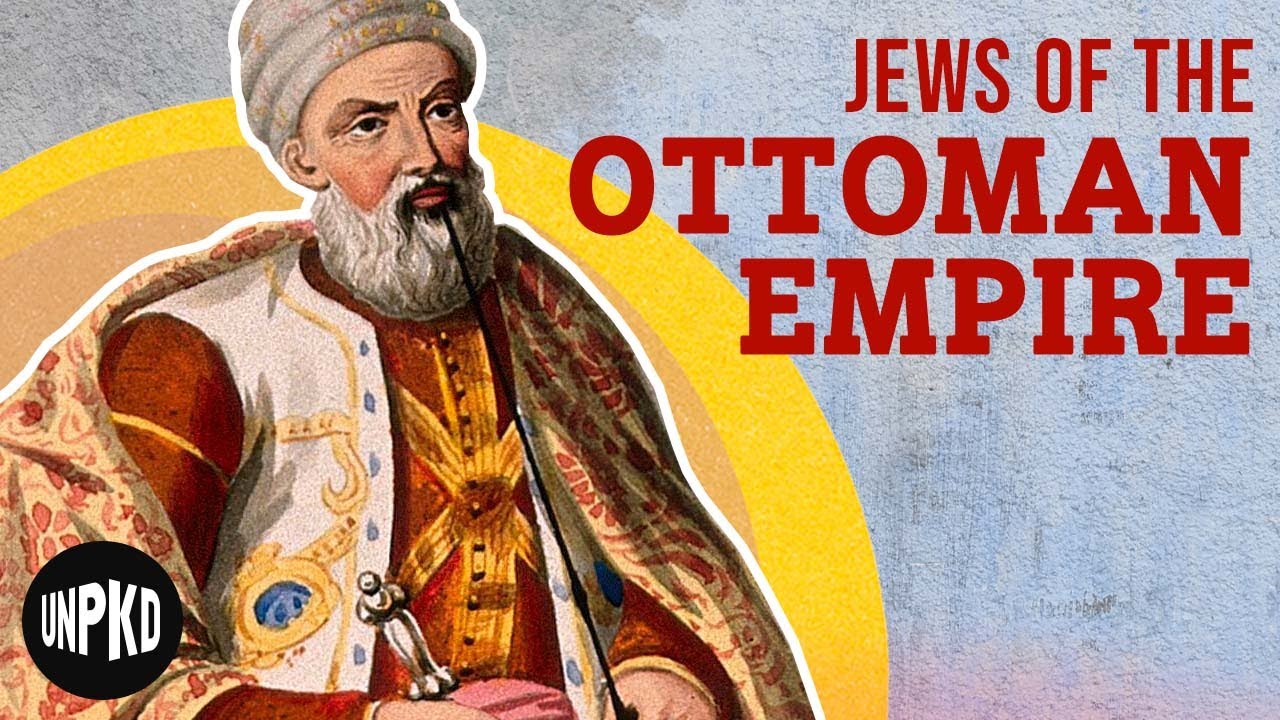
This video explores Jewish life in the Ottoman Empire, focusing on the communities that settled across the empire, their daily experiences, and the ways they maintained their traditions and identity.
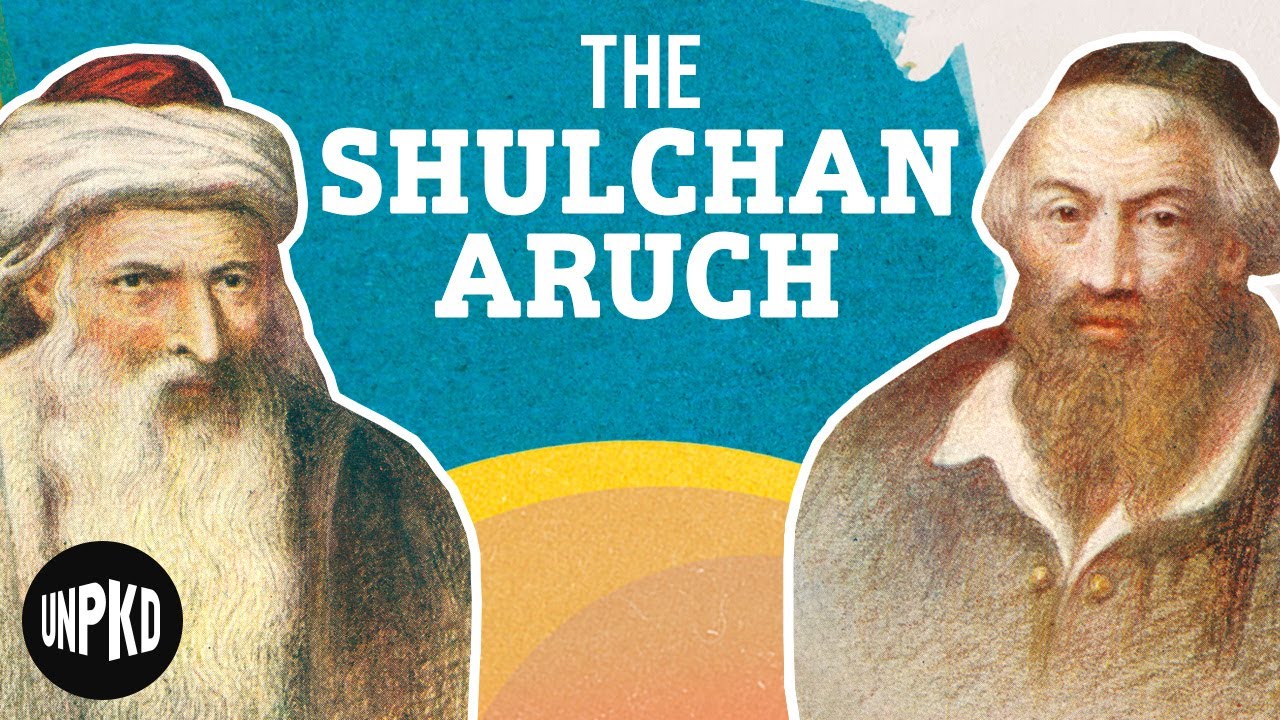
This video introduces the Shulchan Aruch, explaining its creation by Rabbi Yosef Karo and its importance as a major guide for Jewish law and religious practice.
Unit 3

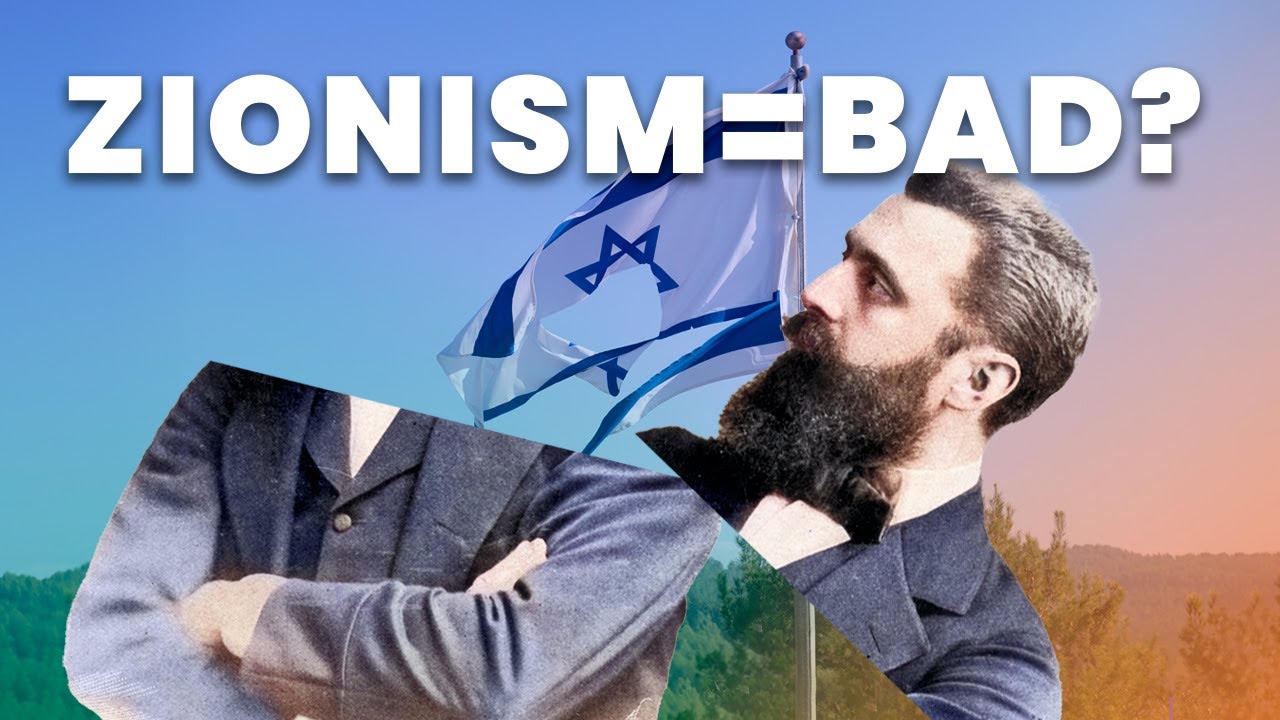
This video explores the Dreyfus Affair and its profound impact on modern Zionism, showing how the rise of antisemitism in Europe inspired Theodor Herzl to champion the vision of a Jewish state.
This video features Haviv Rettig Gur explaining the Jewish people’s indigenous connection to the Land of Israel, examining the historical, cultural, and national foundations of Jewish identity and peoplehood.
This video explains the origins and main ideas of Zionism, looking at why the movement developed, its connection to Jewish history and identity, and its goal of establishing a Jewish homeland.
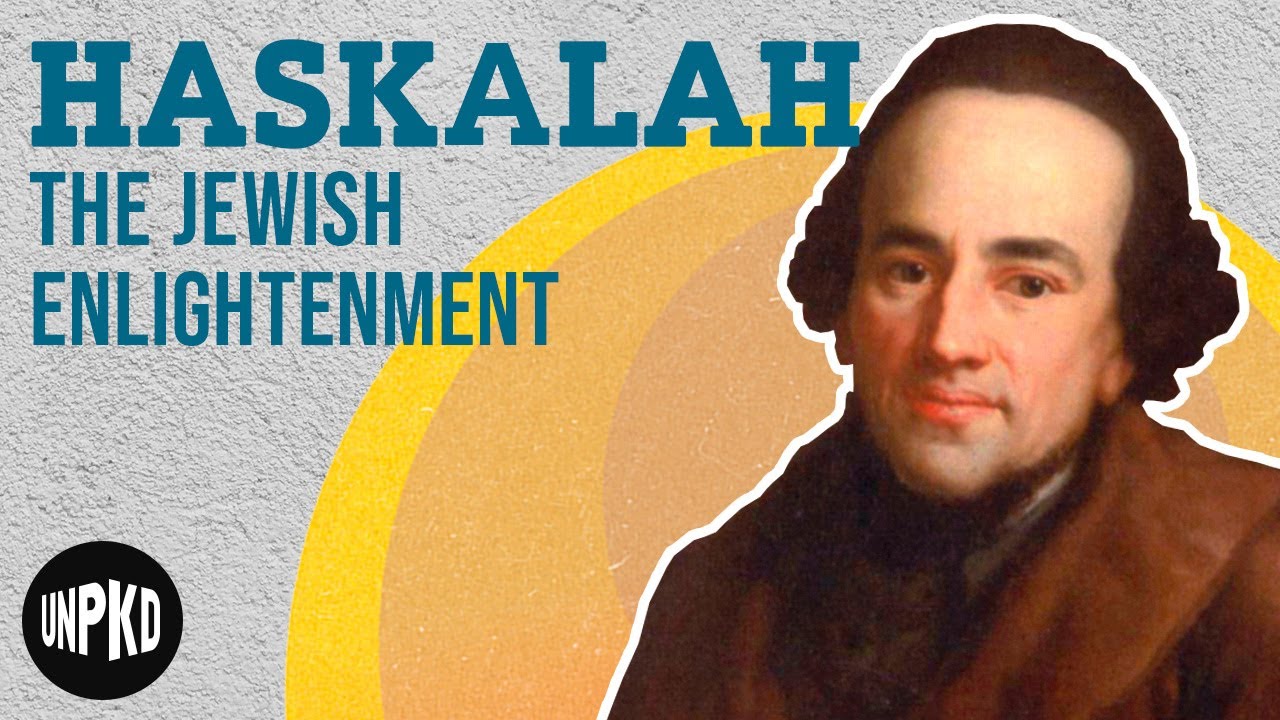
This video explores the Haskalah, or Jewish Enlightenment, and its influence on Jewish communities in Europe. It examines the movement’s ideas about education, culture, and integration into wider European society.
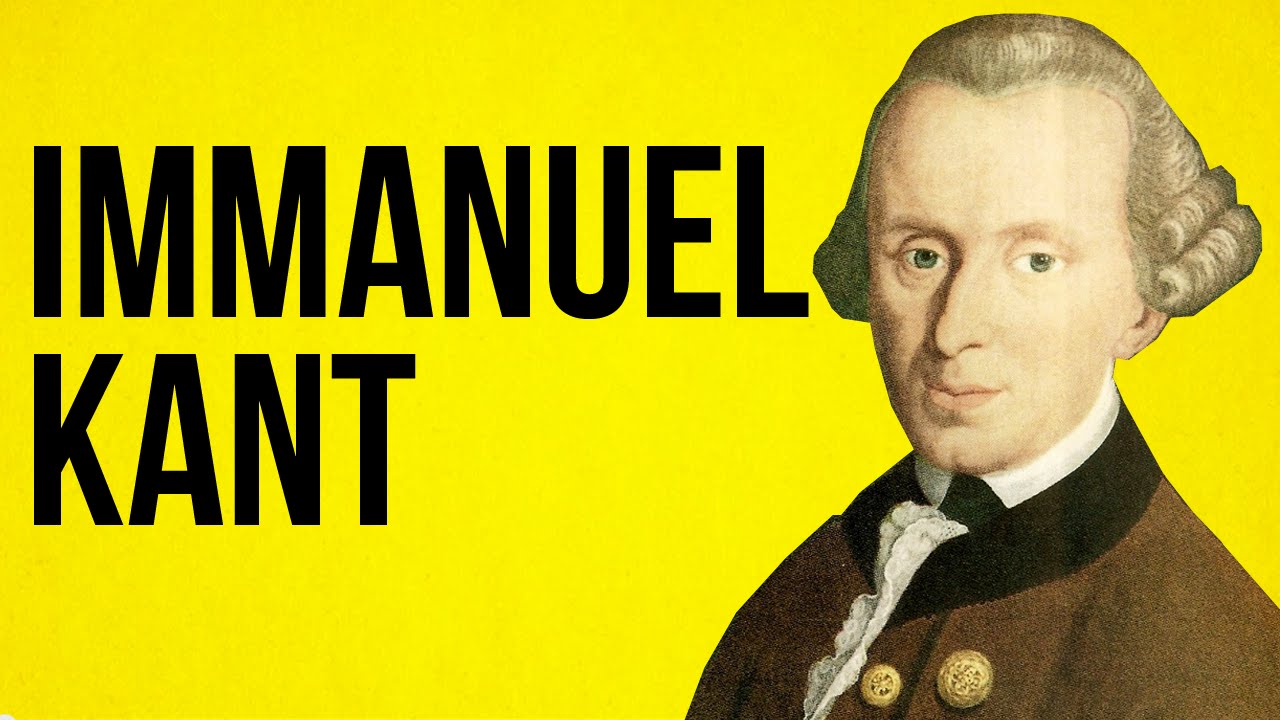
This video examines how Enlightenment thinkers questioned traditional forms of authority, emphasizing reason, individual freedom, and new approaches to government, religion, and society.
Unit 4
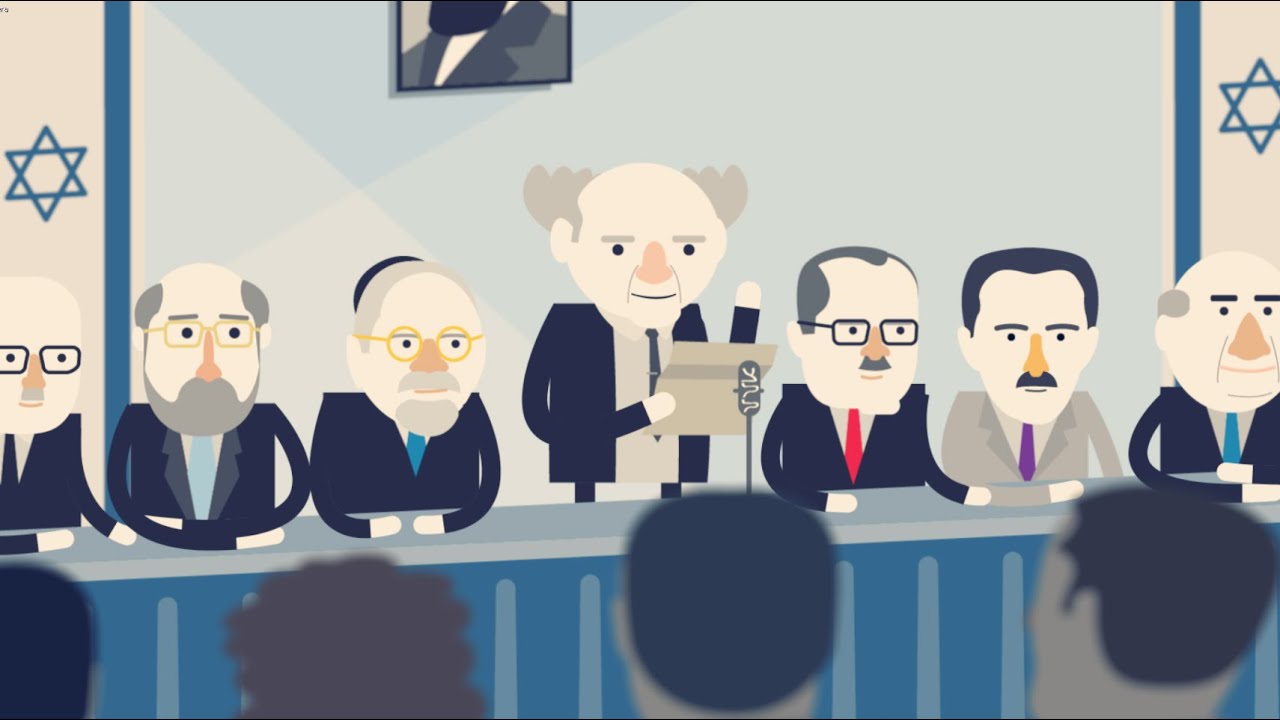
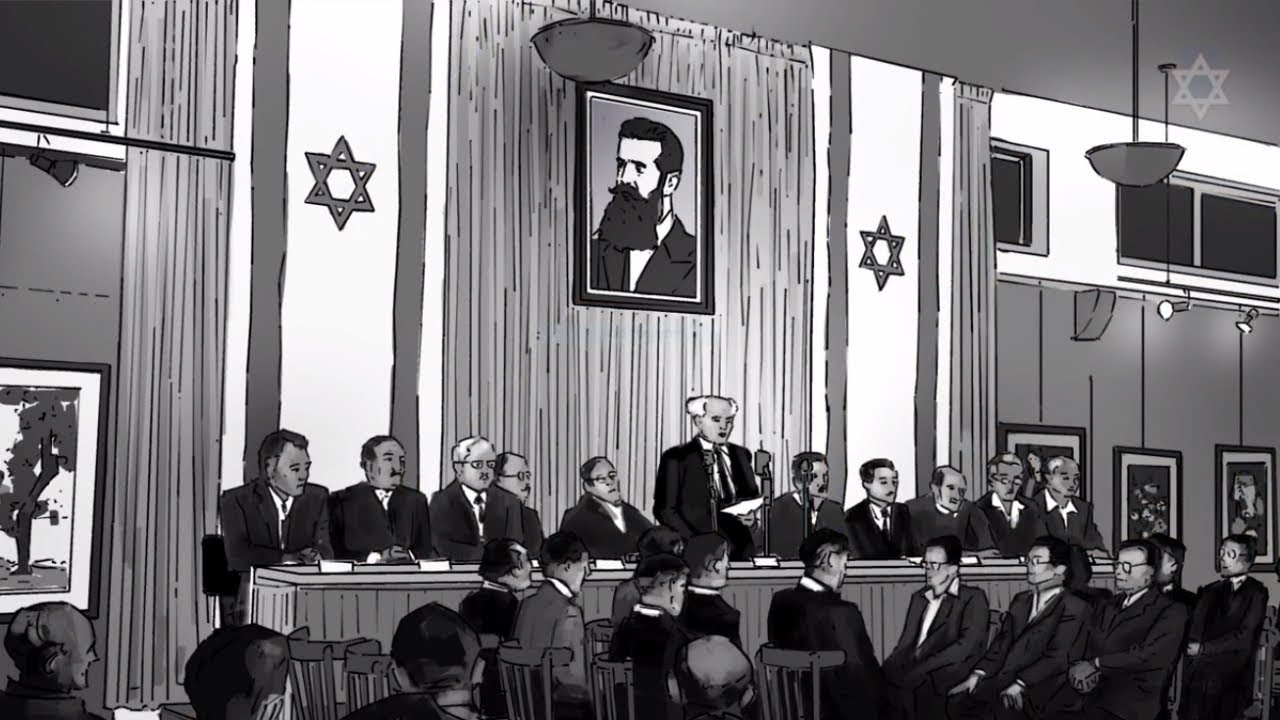

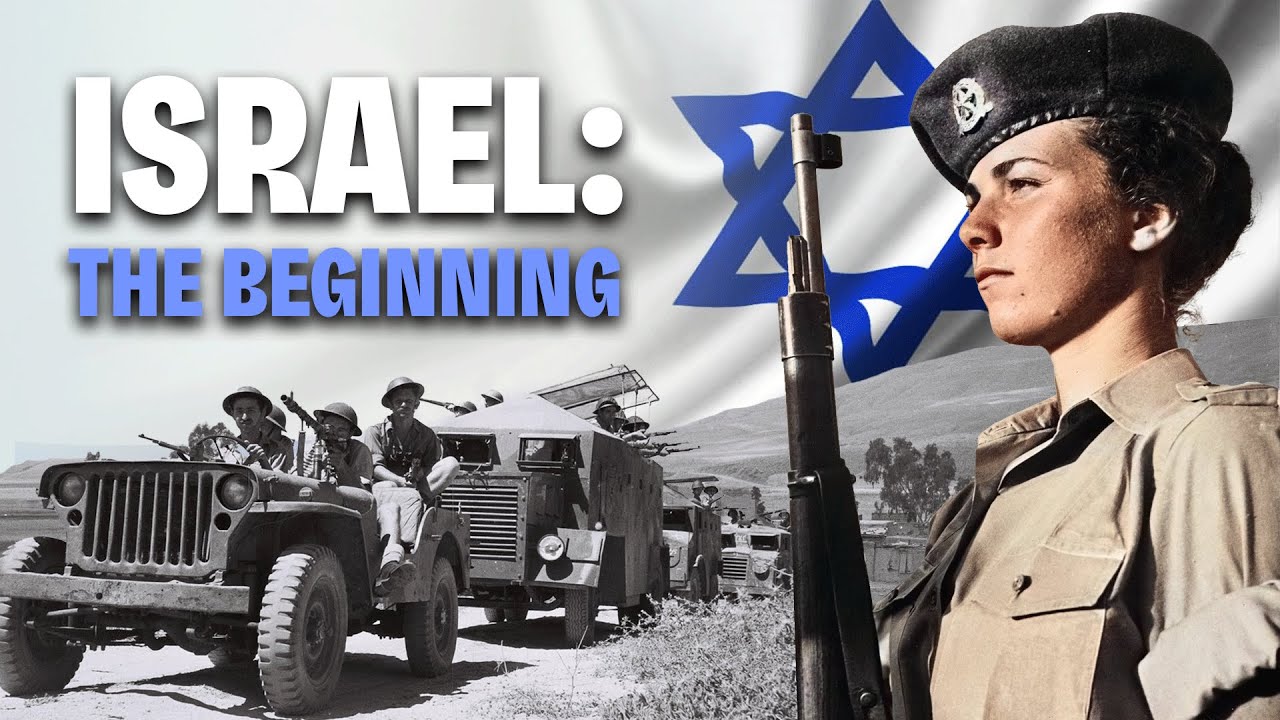
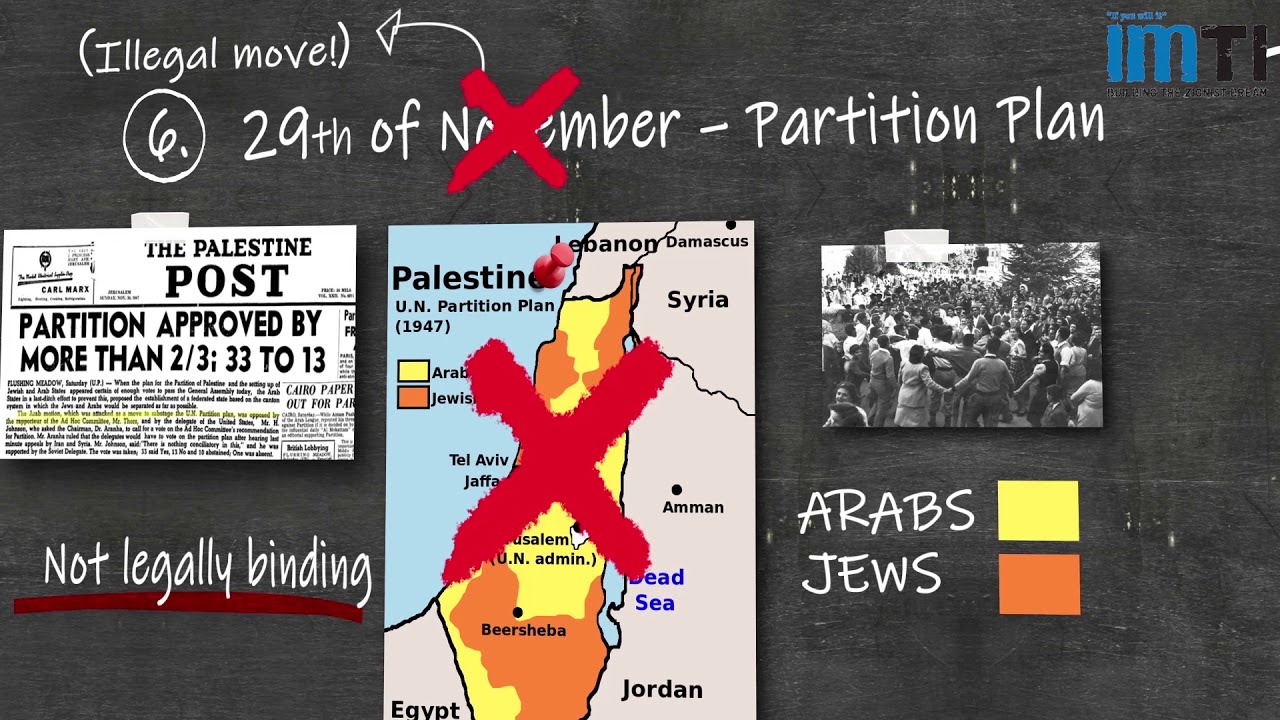








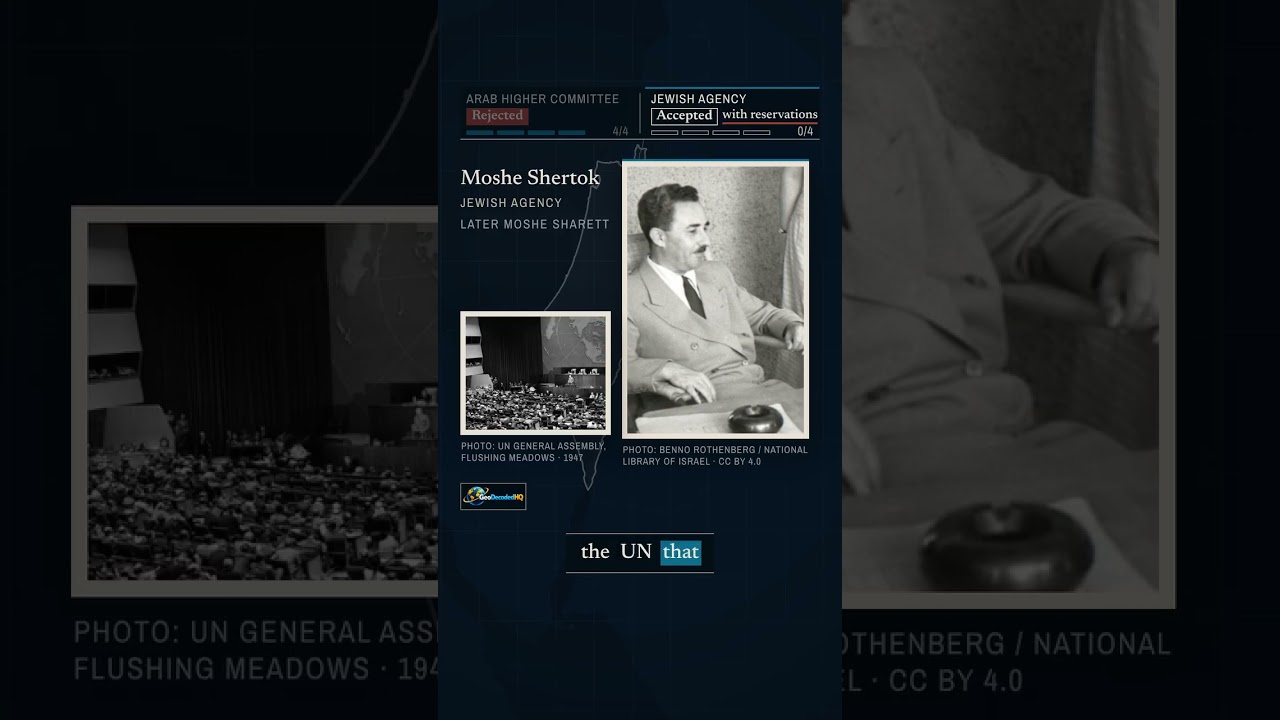
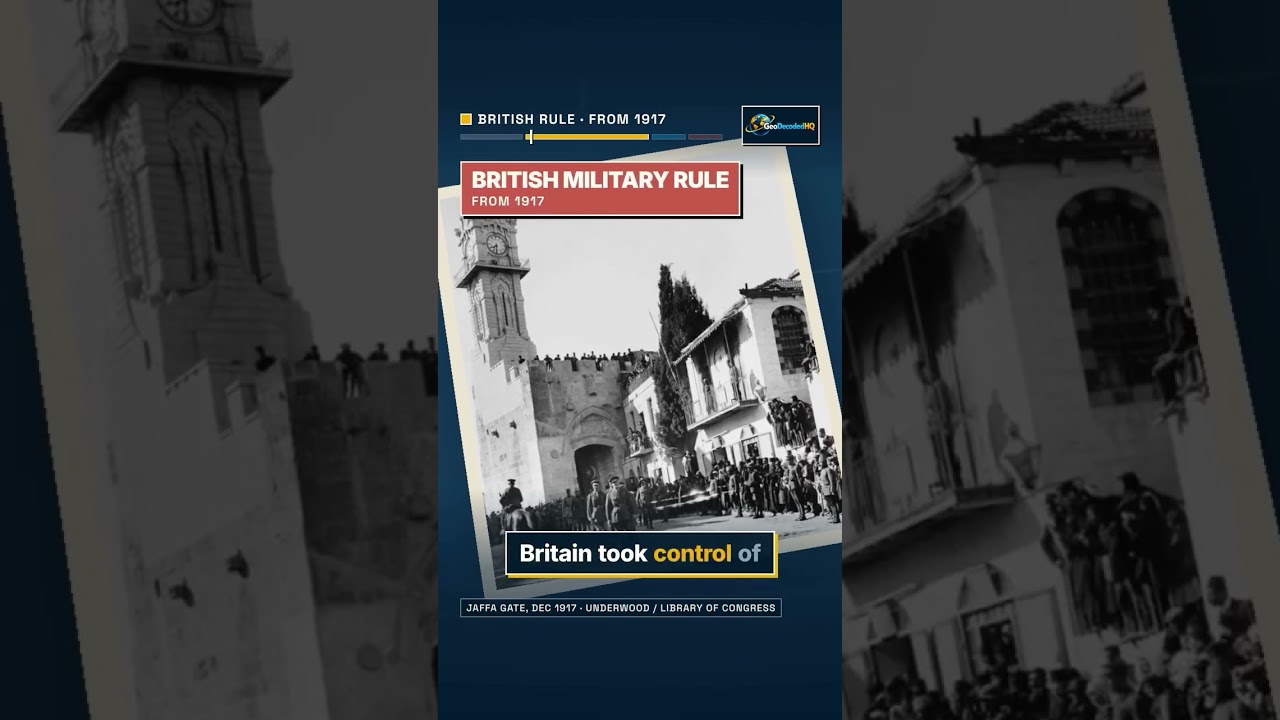
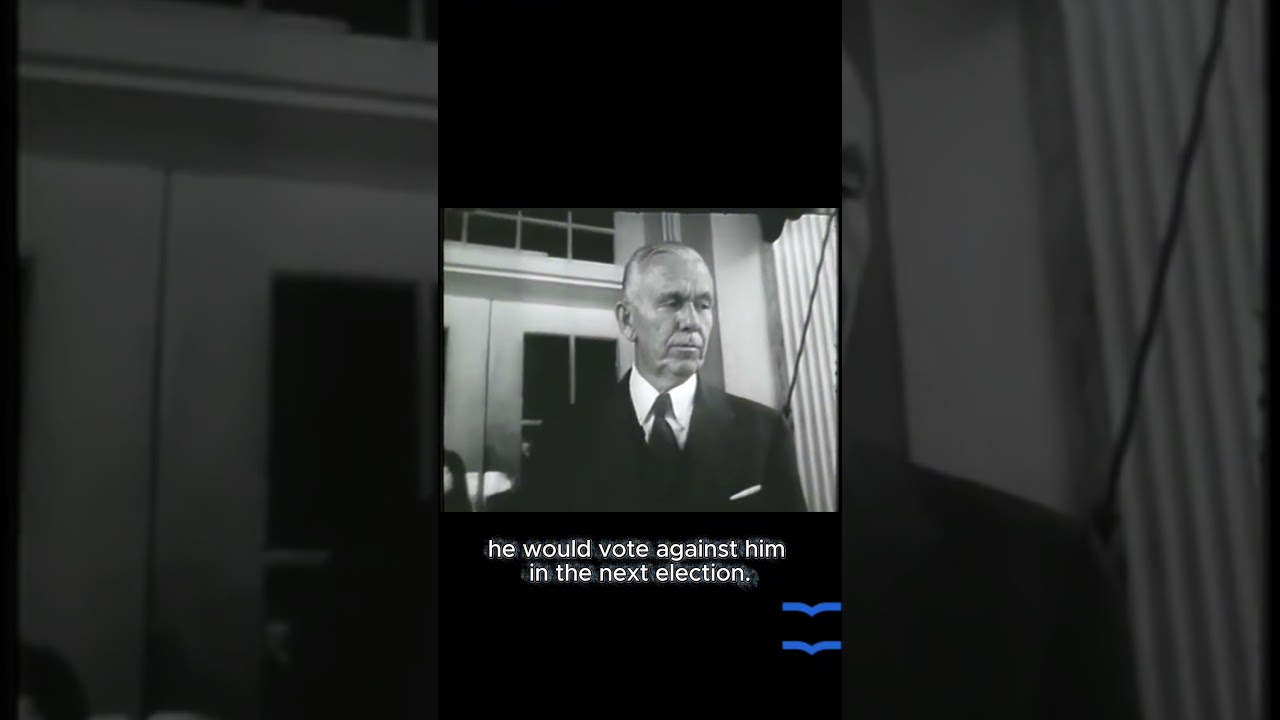
This video traces the events leading to the establishment of the State of Israel, from the British Mandate and the UN Partition Plan to Israel’s Declaration of Independence and the War of Independence in 1948.
This video reflects on the remarkable journey of the State of Israel, from the restoration of Jewish sovereignty in 1948 to its transformation into a thriving, resilient nation after 2,000 years of exile.
This video explains how the State of Israel was established, tracing the events from the British Mandate and the UN Partition Plan through Israel’s declaration of independence and the major conflicts that have shaped the region ever since.
This video traces the events that led to the establishment of the State of Israel, from the rise of the Zionist movement and the British Mandate to Israel’s Declaration of Independence and its successful defense during the 1948 War of Independence.
This video examines the historical and legal foundations presented in support of Israel’s establishment, exploring key international agreements and their role in recognizing a Jewish national home in the Land of Israel.
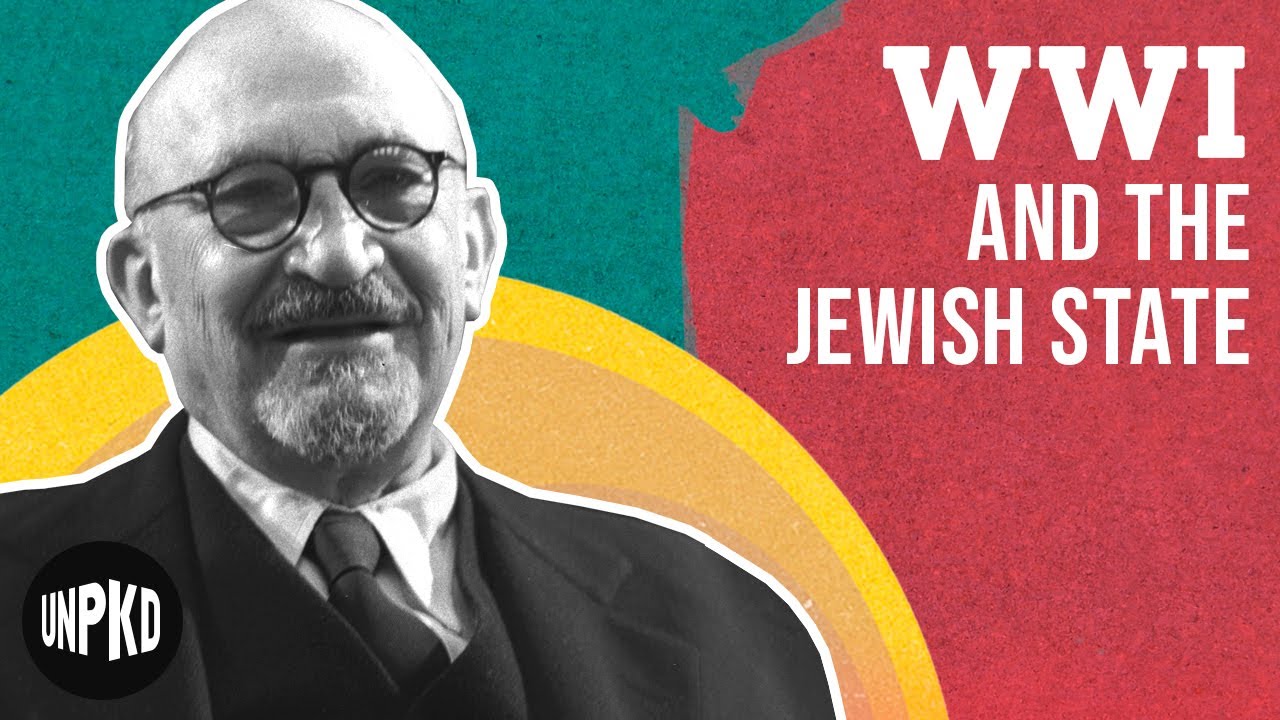
This video explores how Chaim Weizmann’s scientific achievements and diplomatic leadership helped secure the Balfour Declaration, advancing the Zionist movement and laying important groundwork for the establishment of the State of Israel.
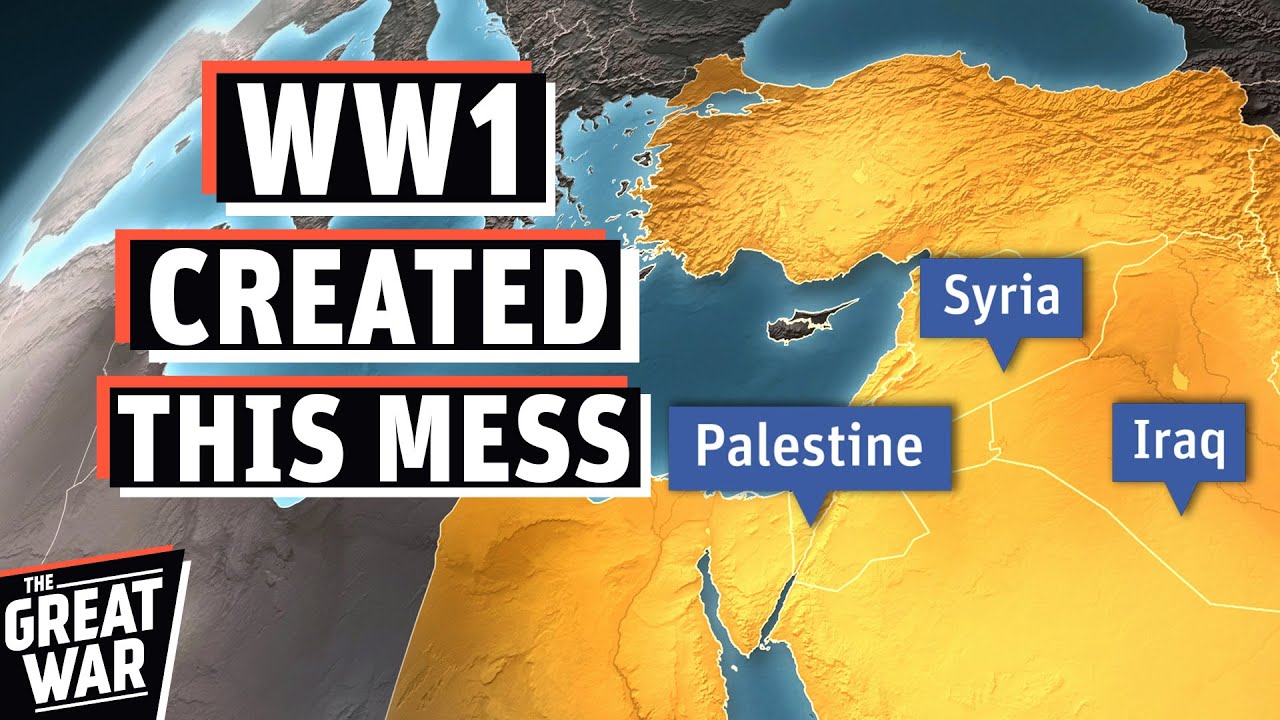
This video examines how World War I reshaped the Middle East, ending Ottoman rule, creating new national borders, and laying the foundations for many of the region’s modern conflicts, including the development of the British Mandate for Palestine.
This video features Sir Simon Mayall explaining the historical developments that shaped the modern Middle East, providing context for the region’s political boundaries, conflicts, and contemporary challenges.
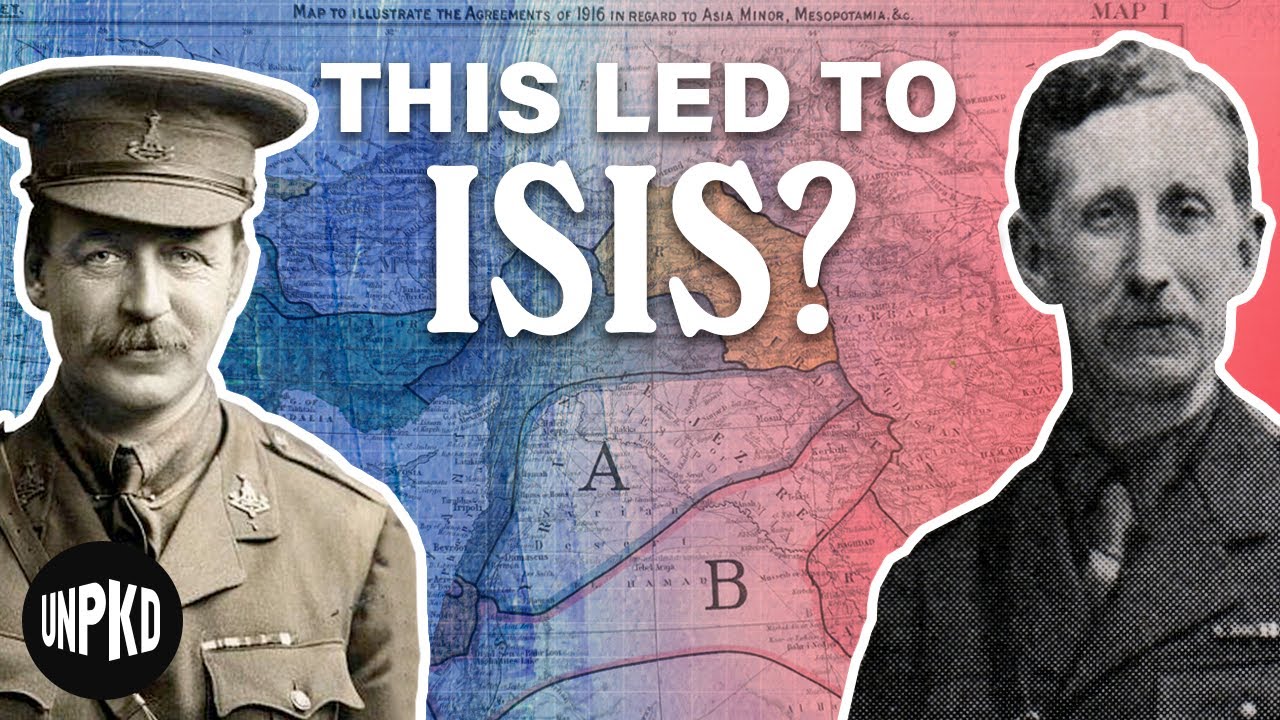
This video explains the Sykes-Picot Agreement and how the partition of the Ottoman Empire by Britain and France after World War I reshaped the modern Middle East and influenced the region’s political borders and conflicts.
This video examines the Balfour Declaration of 1917, exploring its significance for the Zionist movement, the role of Chaim Weizmann and British diplomacy, and its lasting impact on the future of the Land of Israel.
This video explores the Sykes-Picot Agreement and the San Remo Conference, explaining how World War I reshaped the Middle East and how the League of Nations mandates influenced the creation of modern states, including the framework for a Jewish national home in the Land of Israel.
This video examines the relationship between the Holocaust and the establishment of the State of Israel, arguing that Israel’s foundations are rooted in the Jewish people’s long history, identity, and connection to the Land of Israel, rather than in the Holocaust alone.
This video explores the Haganah, Irgun, and Lehi, examining their different strategies, ideologies, and roles in the struggle to establish the State of Israel before its independence in 1948.
This video examines UN Resolution 181, the 1947 United Nations Partition Plan, exploring its proposal to divide Mandatory Palestine into Jewish and Arab states and its role in the events leading to Israel’s independence and the first Arab-Israeli War.
This archival video captures the historic 1947 United Nations vote on the Partition Plan, a pivotal moment that paved the way for the establishment of the State of Israel in 1948.
This video explores the experiences of Mizrahi Jews, tracing their displacement from the Middle East and North Africa, their integration into Israeli society, and their lasting contributions to Israel’s culture, politics, and national identity.
This archival video features David Ben-Gurion proclaiming Israel’s Declaration of Independence on May 14, 1948, marking the rebirth of Jewish sovereignty after nearly 2,000 years of exile.
This video explains the Law of Return, exploring its origins, purpose, and significance in providing Jews around the world with the right to immigrate to Israel while examining the ongoing questions surrounding Jewish identity and citizenship.
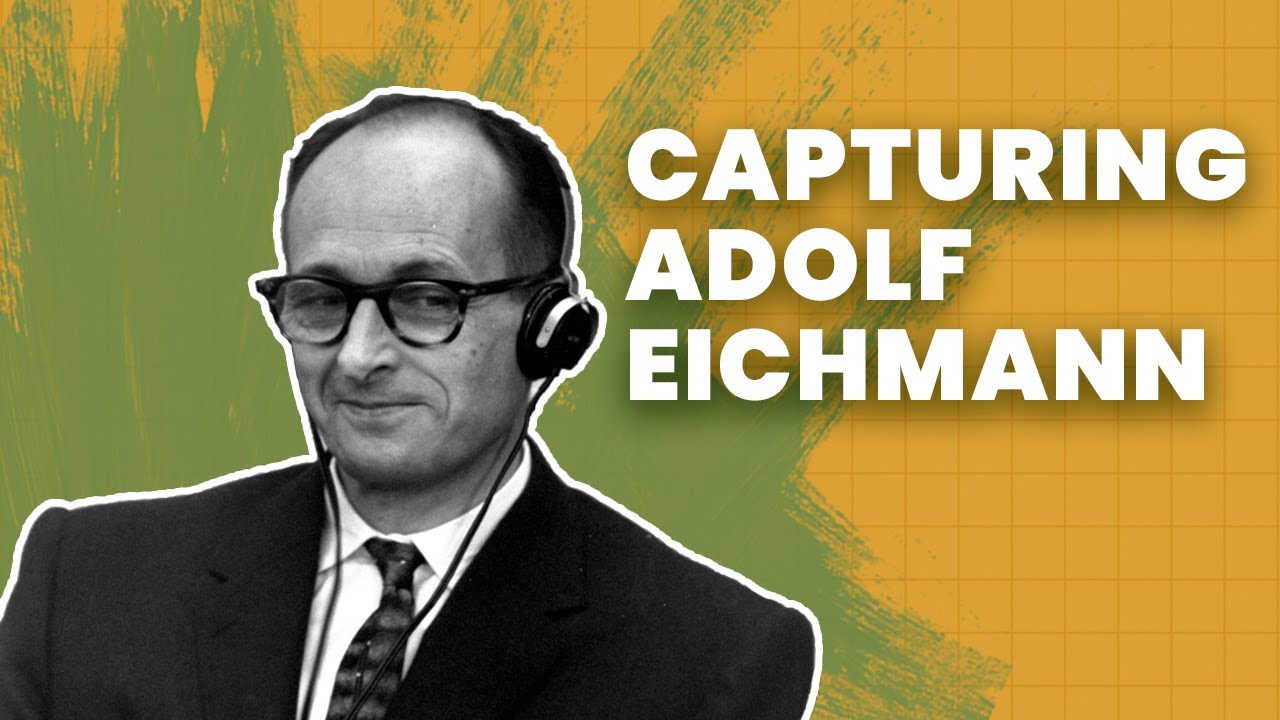
This video examines Operation Finale and the capture of Adolf Eichmann, highlighting the historic trial that brought a key architect of the Holocaust to justice and transformed global understanding of the Holocaust through survivor testimony.
This video explores the capture of Adolf Eichmann and his landmark trial in Israel, examining how it brought a leading architect of the Holocaust to justice and transformed global awareness of the Holocaust through the testimony of survivors.
This video explores the causes, major events, and consequences of the Six-Day War, examining how Israel’s victory reshaped the Middle East and reunified Jerusalem under Israeli control.
This video traces the reunification of Jerusalem during the Six-Day War, exploring the city’s division after 1948, the events of June 1967, and the significance of the Old City, the Temple Mount, and the Western Wall for the Jewish people.
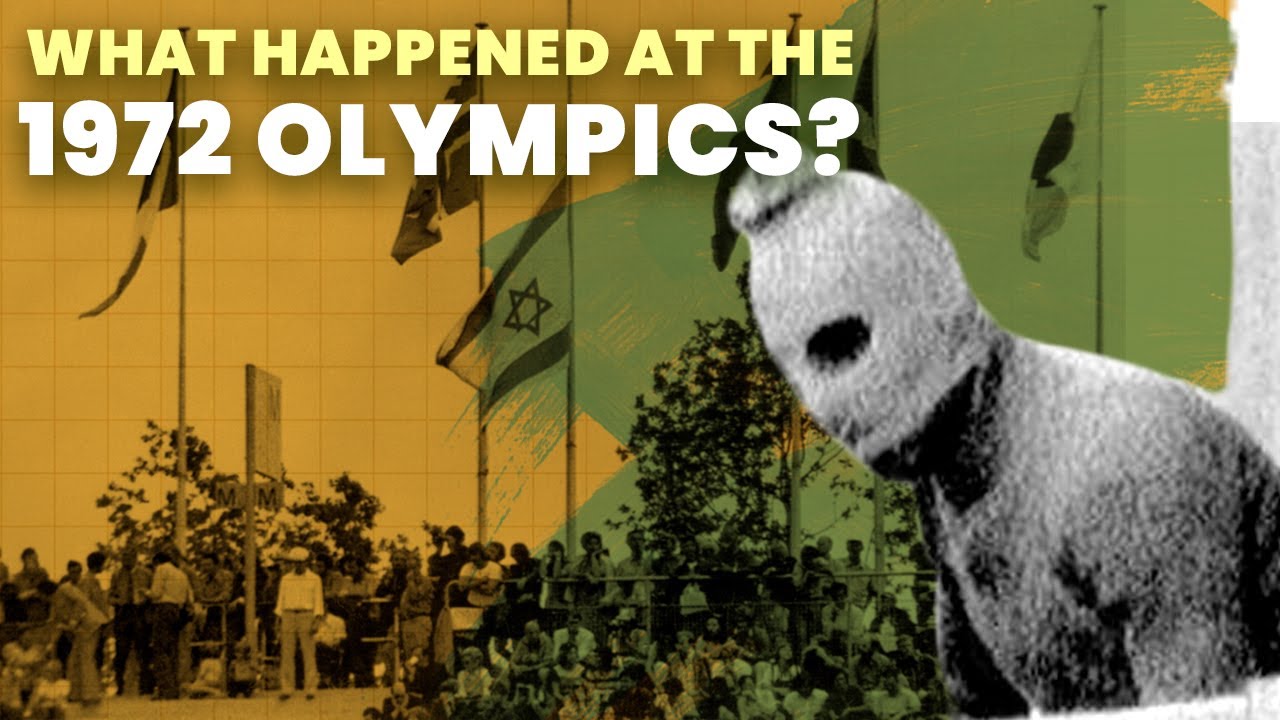
This video examines the 1972 Munich Olympics massacre, exploring the terrorist attack on the Israeli team, its global impact, and the lasting questions it raised about terrorism, security, and Israel’s response.
This video explores the causes, major events, and impact of the Yom Kippur War, examining how the surprise attack by Egypt and Syria brought Israel to the brink of defeat before it ultimately regained the initiative.
This video details how a lifelong friendship between President Harry Truman and his former business partner, Eddie Jacobson, played a decisive role in the establishment of modern Israel.
This video explains how a fight over weapons between Jewish leaders David Ben-Gurion and Menachem Begin almost started a civil war in 1948.
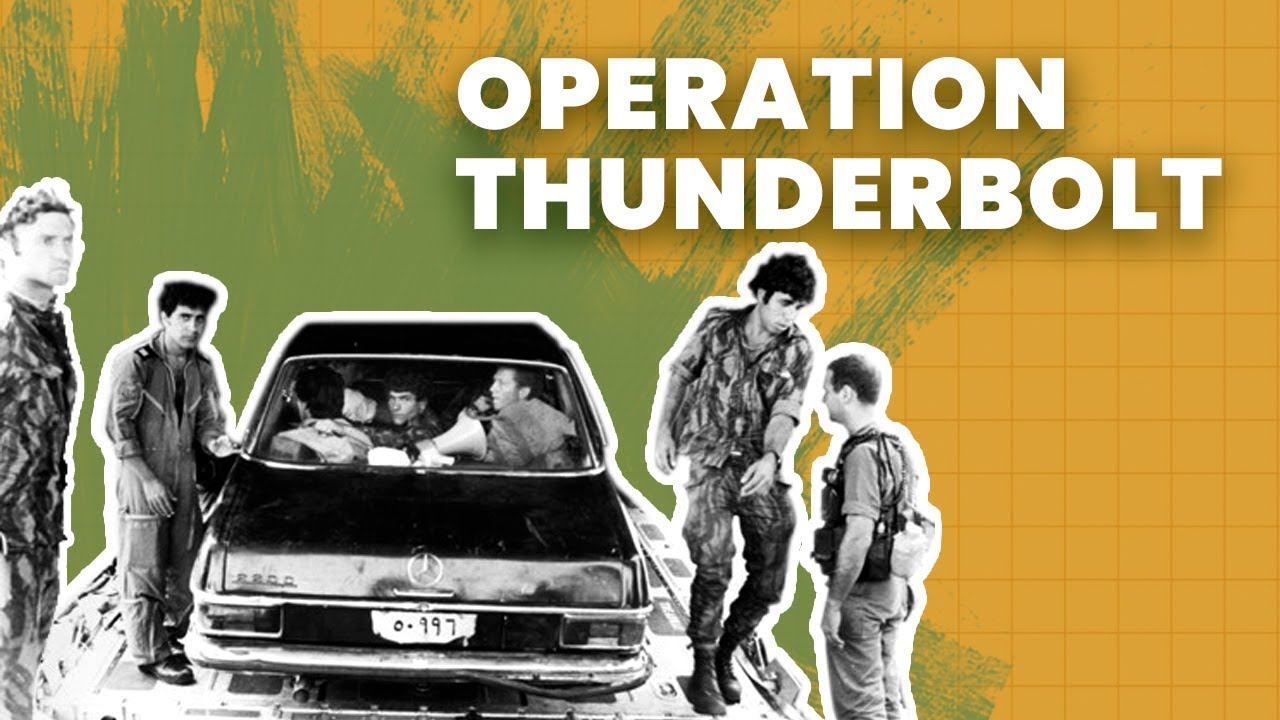
This video tells the story of Operation Entebbe, covering the hijacking of an Air France flight, the hostages held in Uganda, and the Israeli military operation that was carried out to rescue them.
This video explains the events of the Yom Kippur War, focusing on the surprise attack by Egypt and Syria, Israel’s response, and how the course of the war changed over time.
This video focuses on Israel during the 1973 Yom Kippur War, exploring how the country responded to the surprise attack, mobilized its forces, and fought to regain control of the battlefield.
This video examines the Sabra and Shatila massacre during the 1982 Lebanon War, focusing on what happened in the refugee camps, Israel’s involvement in the conflict, and the aftermath of the events.
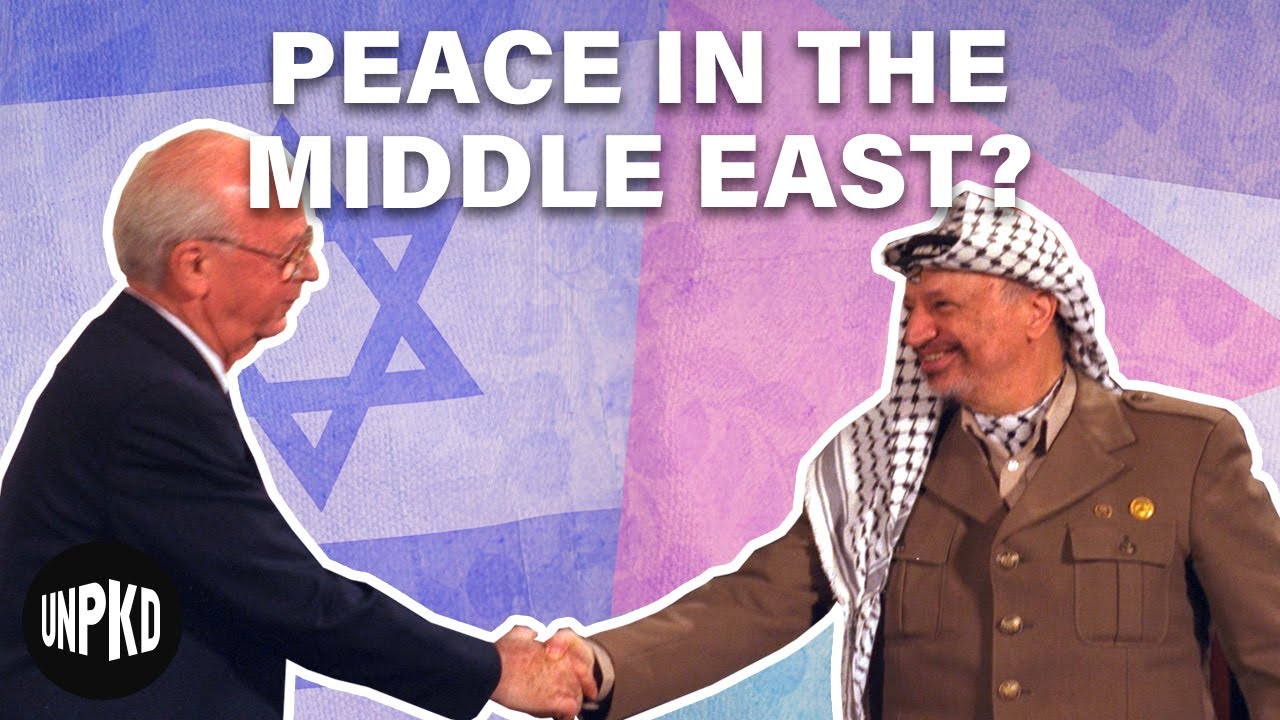
This video explores the Oslo Accords, focusing on the secret negotiations between Israel and the PLO, the agreements signed in the 1990s, and their effect on Israeli-Palestinian relations.
This video tells the story of the Oslo process, from the early secret talks between Israeli and Palestinian representatives to the public signing of the agreements and the hopes and difficulties that followed.
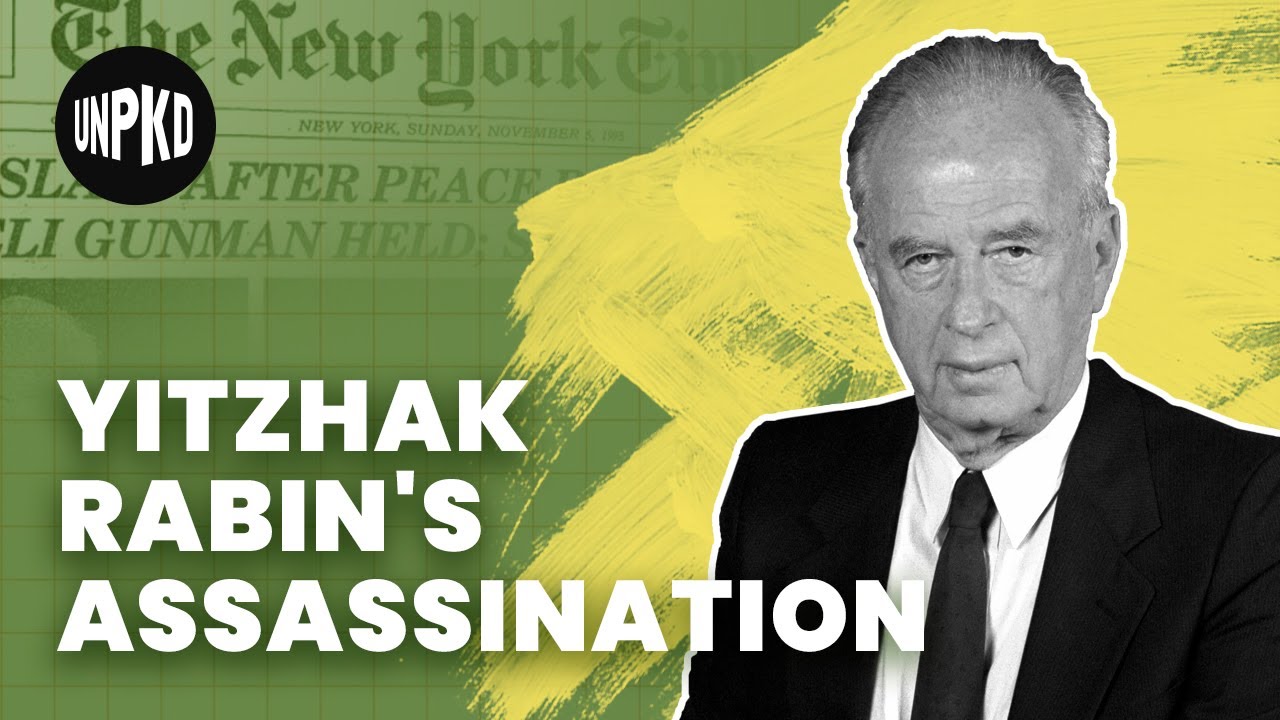
This video follows Yitzhak Rabin’s life and career, from his early military service and role in Israel’s major conflicts to his time as prime minister, the Oslo Accords, and his assassination in 1995.
This video explores the efforts to achieve peace in the Middle East, highlighting the agreements, negotiations, and key leaders involved in shaping relations between Israel and its neighbors.
This video examines common perceptions of the 1948 Nakba, shedding light on the historical nuances, key factors, and prevailing myths tied to the displacement and conflict.
This video examines the 1947 UN Partition Plan debates, shedding light on the key arguments, historical context, and contrasting positions of Arab and Jewish leadership at the UN.
This video examines the political status of pre-1948 Palestine, shedding light on the historical nuances, key factors, and prevailing myths surrounding British Mandate rule and sovereignty.
This video tells the story of the 1922 League of Nations Mandate for Palestine, an international agreement recognizing the Jewish people’s historical connection to the land and establishing the legal framework for a Jewish national home, laying the groundwork for the establishment of the State of Israel in 1948.
This video uncovers the often-overlooked history of the Middle East, tracing the historical events and political decisions that shaped the region and its relationship with Israel.
This video unpacks how Harry Truman defied nearly all his advisers to recognize Israel in 1948, and the pen and document from that moment preserved at the National Library.
Unit 5
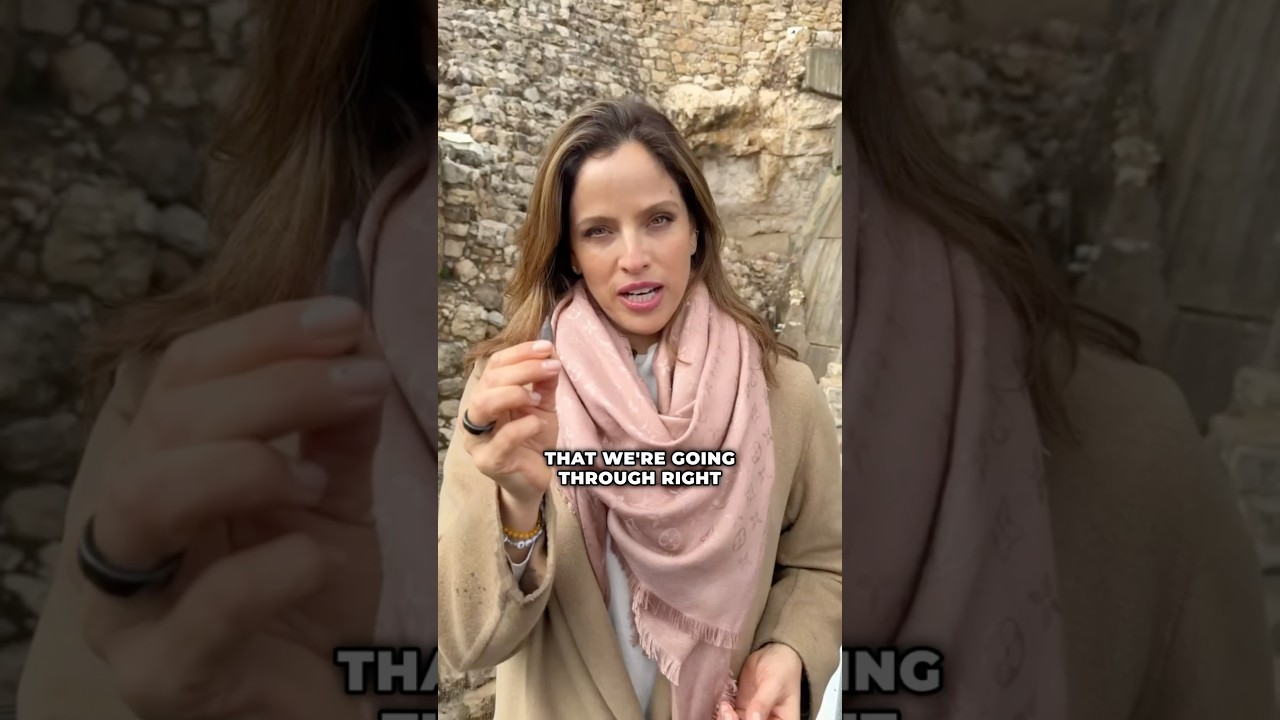
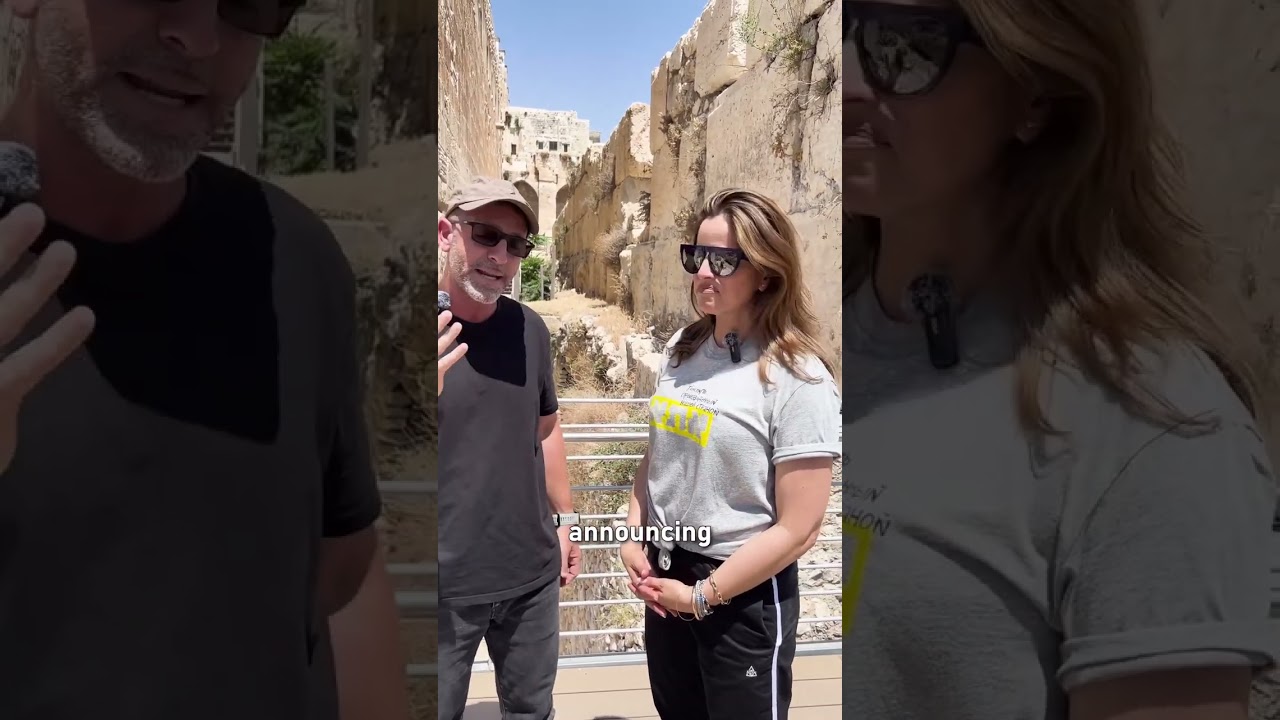


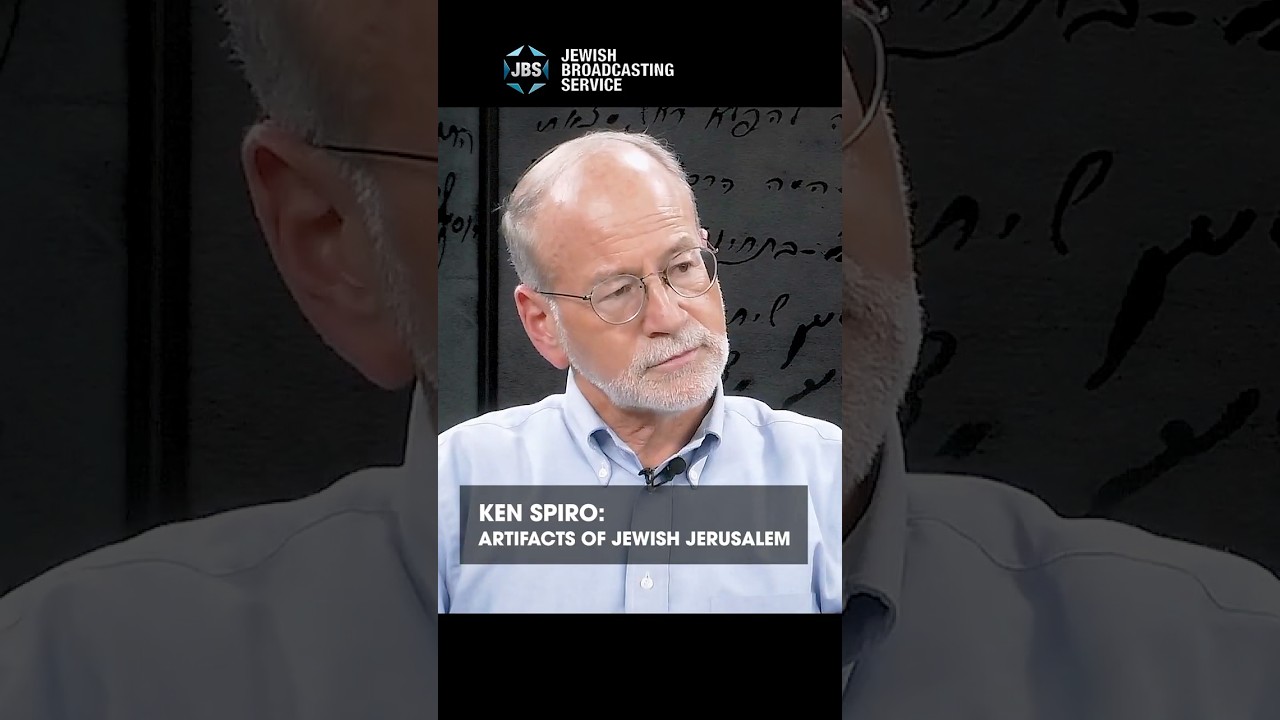
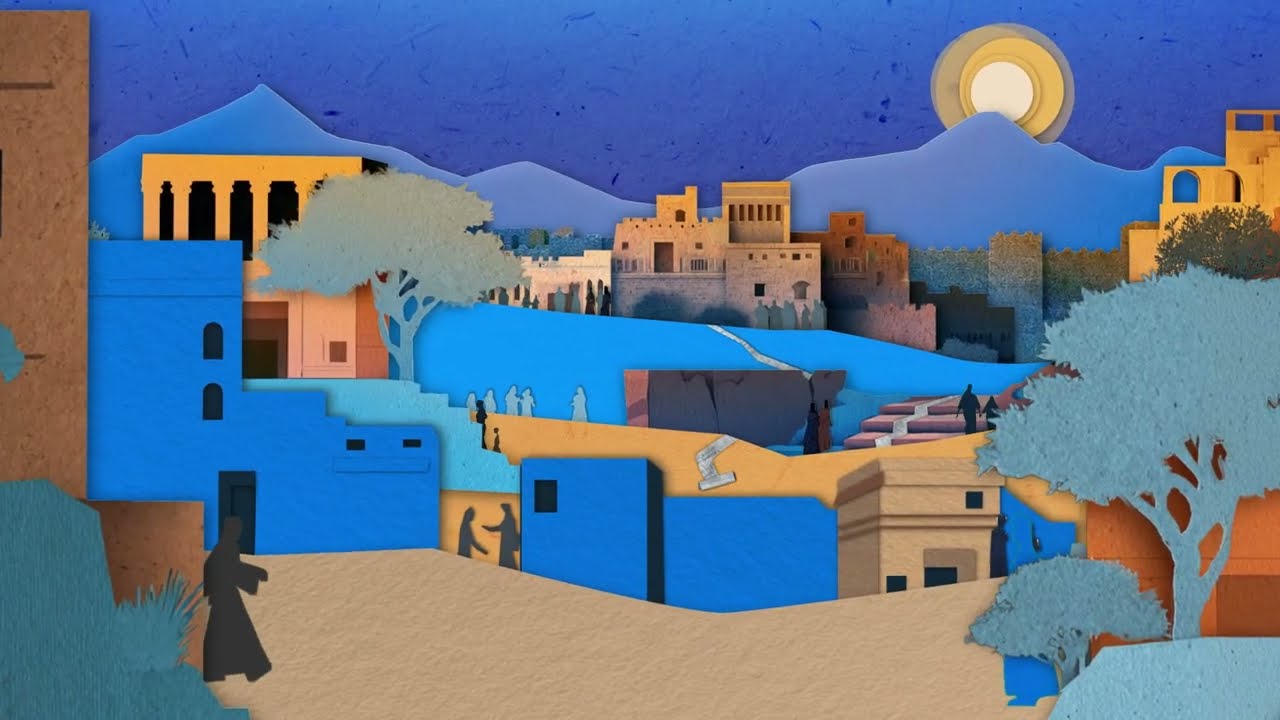

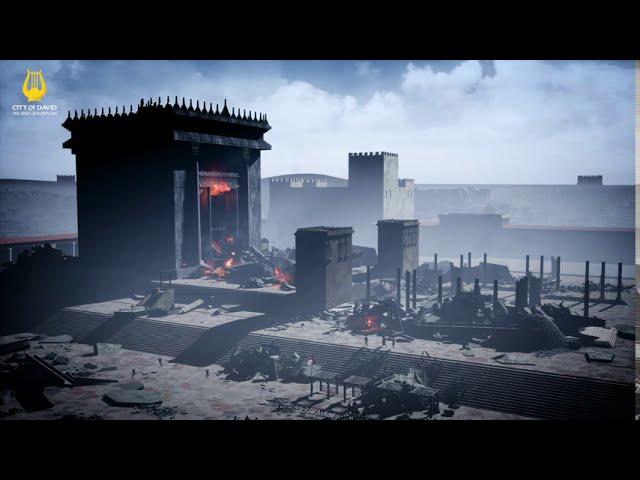

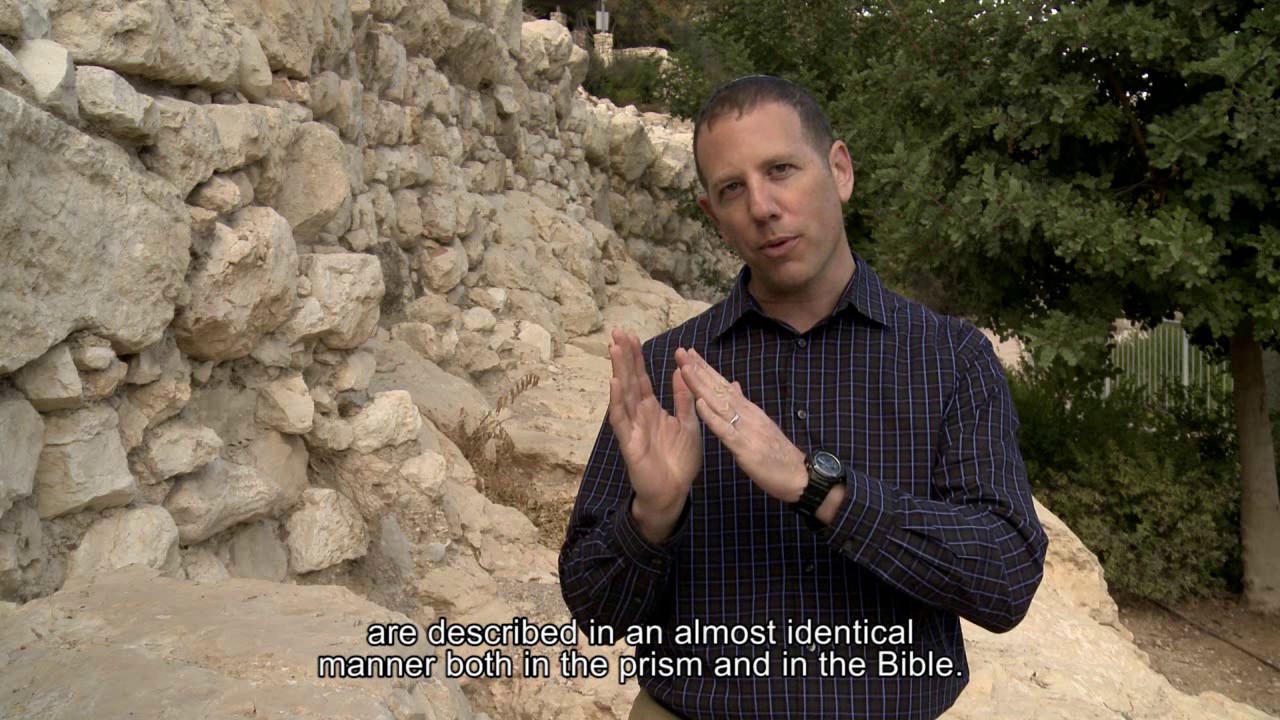
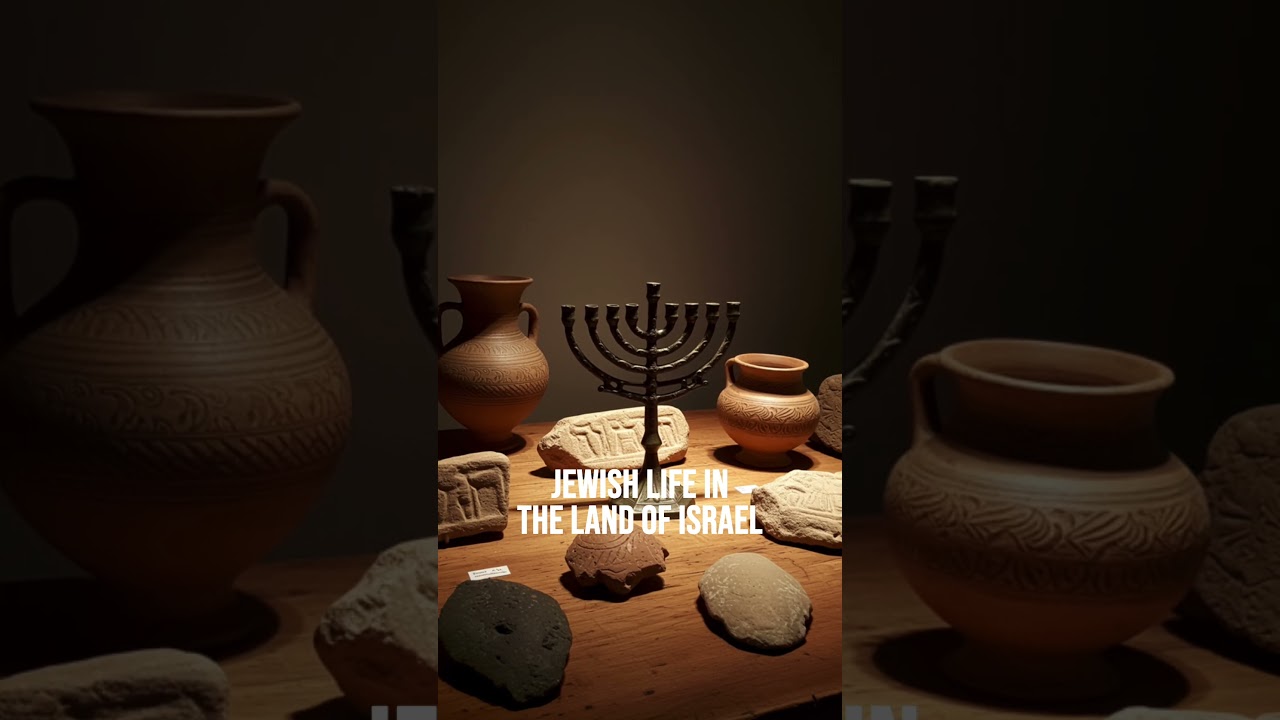
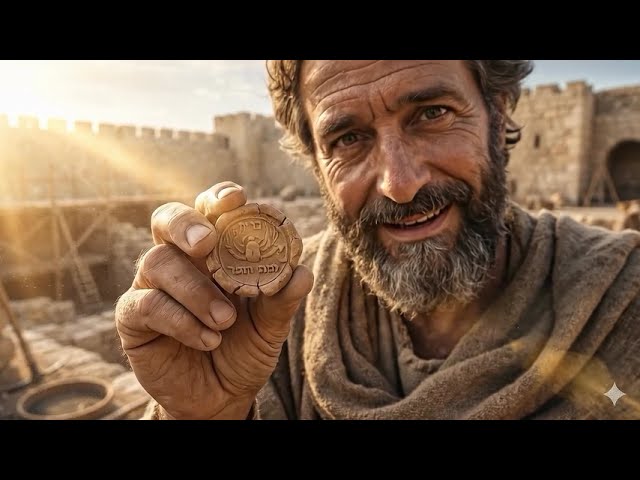
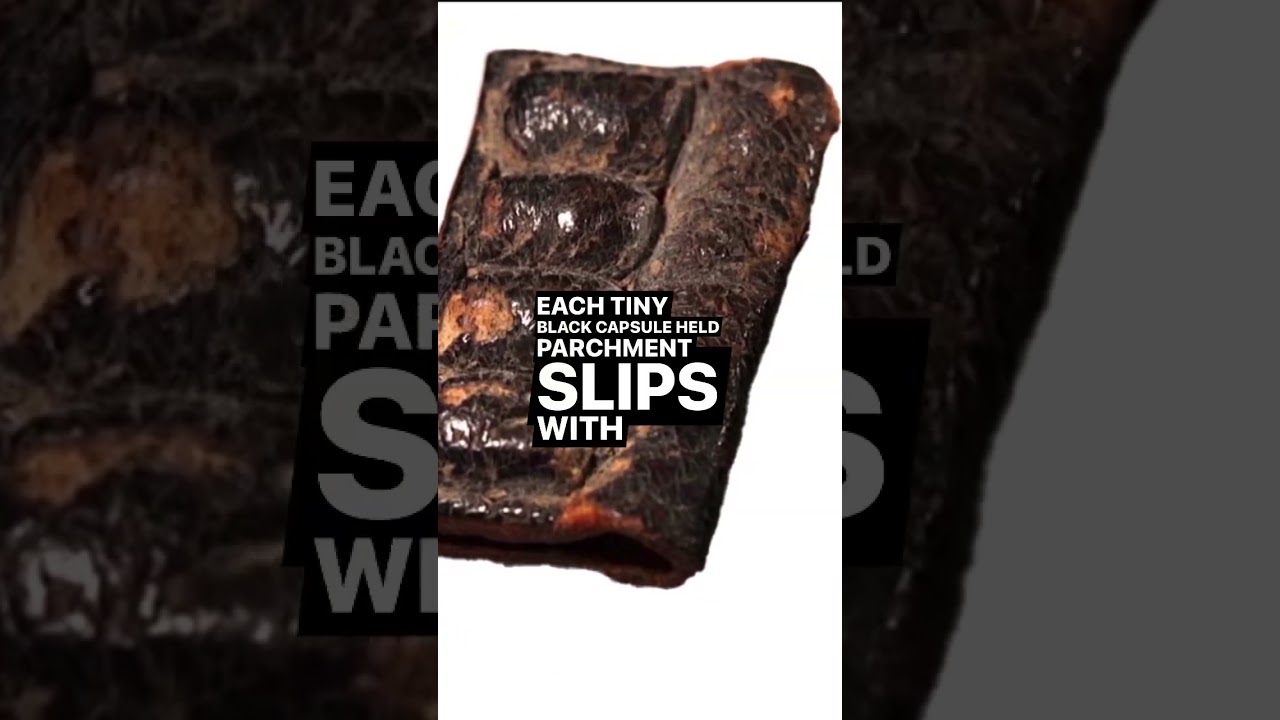

This video explores the 3,000-year-old historical and archaeological roots of Jewish Jerusalem, examining how ancient conflicts and devastating foreign destructions threatened the survival of its people before they ultimately persevered to maintain their traditions and identity today
This video explores the ancient ruins of the Davidson Center and the Southern Wall, examining how physical evidence like Roman-era cornerstones, ritual purification baths, and 3,000-year-old tombs chart Jerusalem’s shared religious history before ultimately underscoring the unbroken continuity of modern Jewish traditions.
In this video Rawan Osman walks the ancient Pilgrimage Road in the City of David, presenting the excavation as archaeological evidence of Jewish Jerusalem’s ancient roots and connection to the Temple Mount
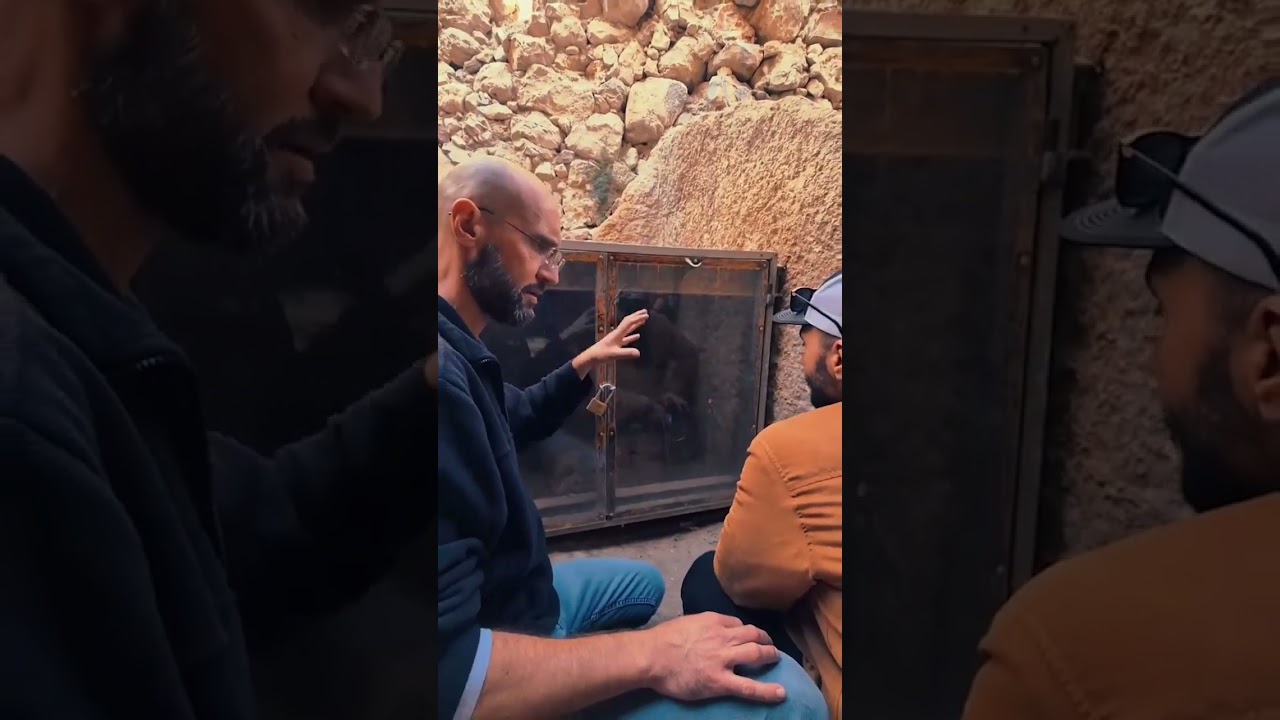
This video explores a secret tunnel beneath Jerusalem, following an ancient route from the Shiloach Pool toward the Temple Mount. The tunnel passes under the Old City walls and unexpectedly leads along the Temple Mount’s edge.
This video explores the wealth of archaeological evidence uncovered within the ancient City of David, examining how findings like Babylonian-era destruction pottery and the physical clay seals of King Hezekiah and the prophet Isaiah ground biblical figures in tangible historical reality.
This video explores Benjamin Netanyahu’s address to the US Congress, examining how he counters colonialist labels by tracing the prayers, teachings, and reigns of biblical figures like Abraham, Jacob, and Isaac before ultimately asserting the Jewish people’s 4,000-year-old connection to their homeland.
This video explores why Israel should never apologize for its existence.
It emphasizes national identity, legitimacy, and the right to exist.
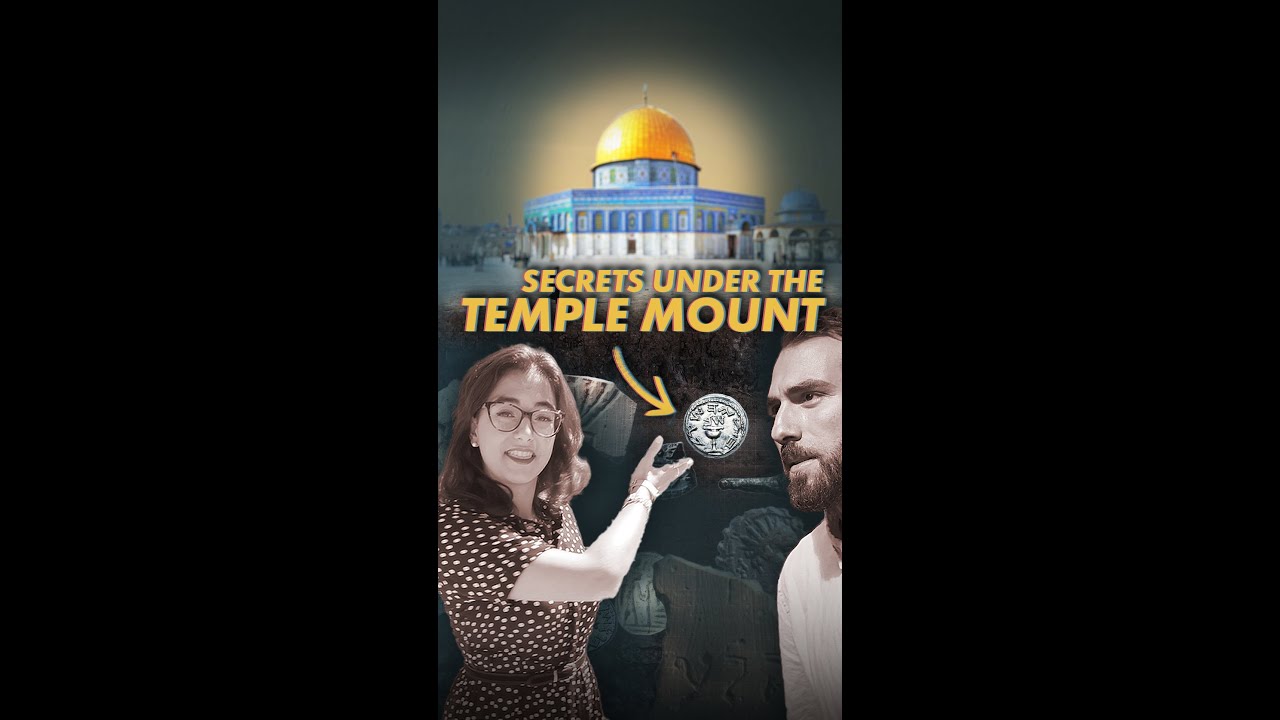
This video explores the remarkable discoveries of the Temple Mount Sifting Project, examining how soil illegally removed during unauthorized underground mosque construction yielded ancient coins, floor tiles, and seals before ultimately verifying the historical presence of the Holy Temple described in the Hebrew Bible.
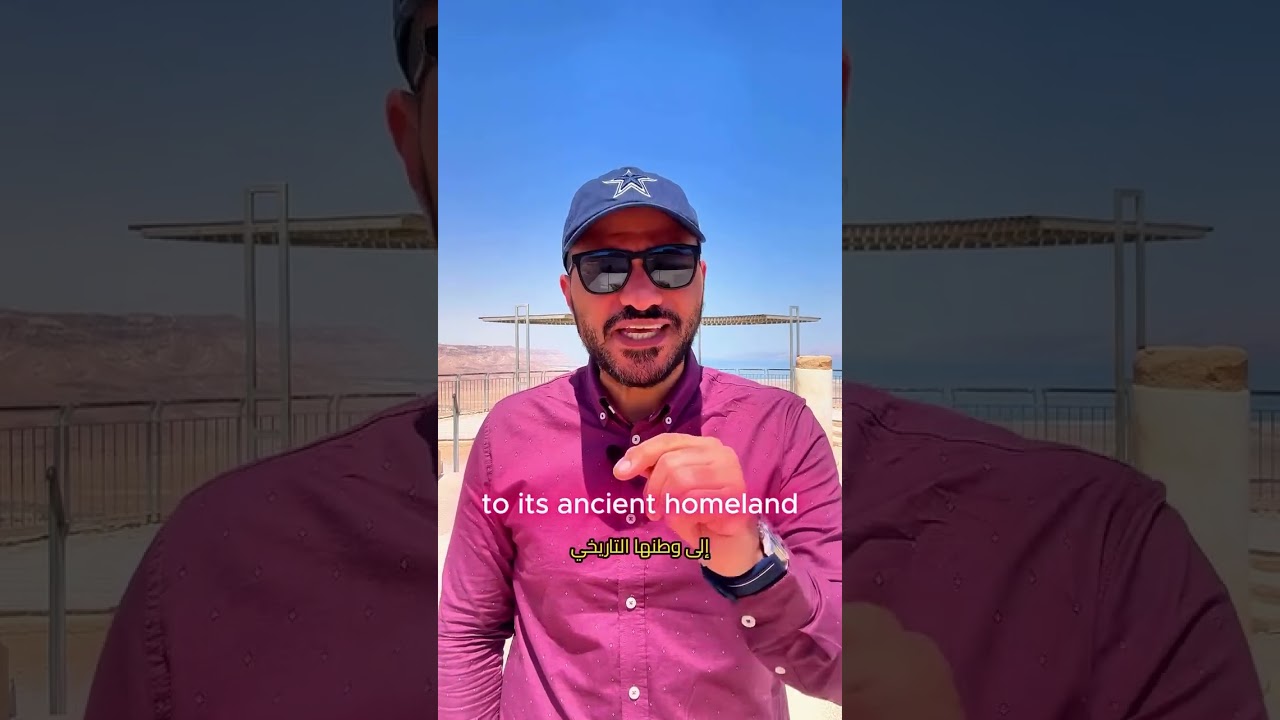
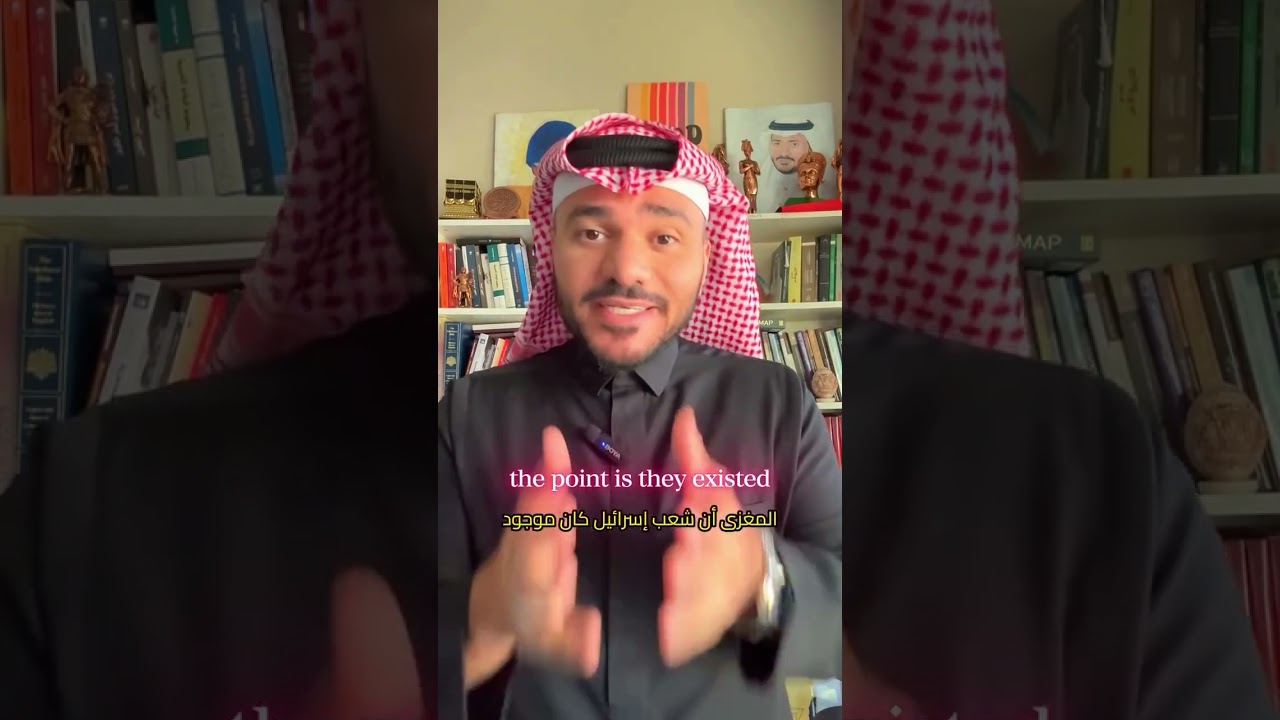
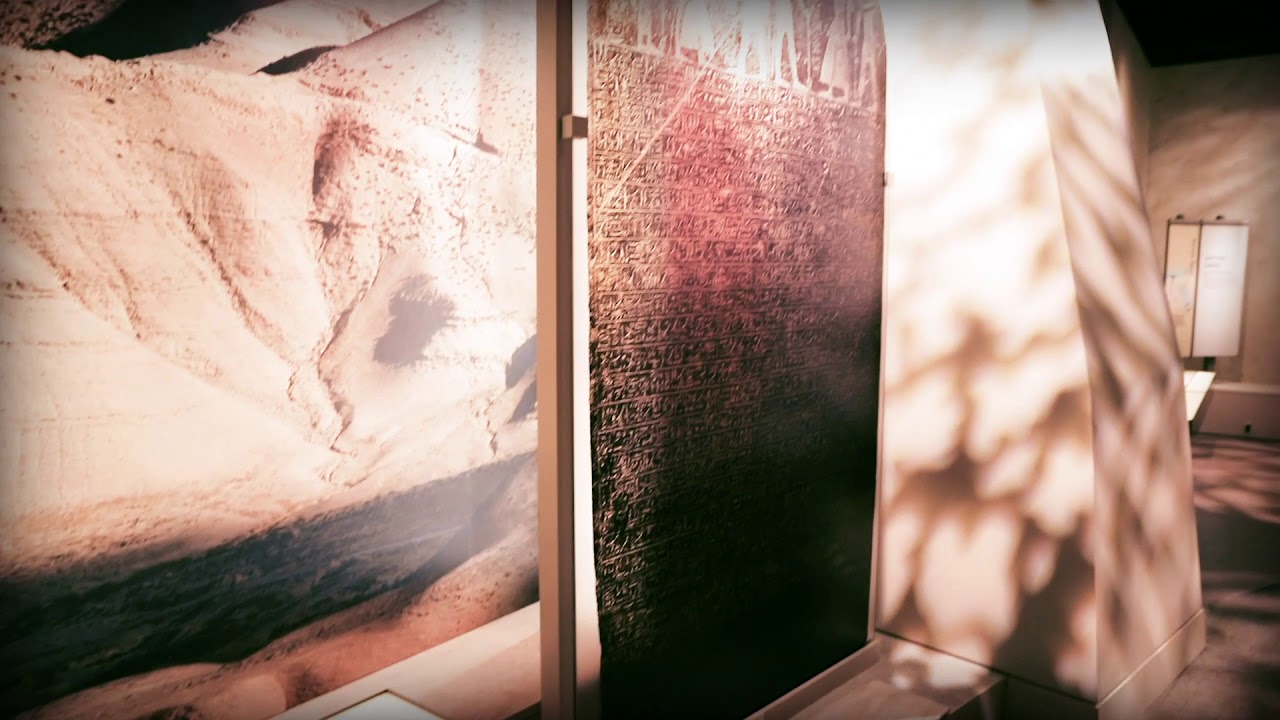
This video details a visit to the Jordan Museum in Amman where Loay Alshareef showed a skeptical friend a replica of the 9th-century BCE Mesha Stele. It argues that this stone inscription’s mention of the “King of Israel” provides undeniable, non-biblical archaeological proof of Israel’s historical presence in the land.
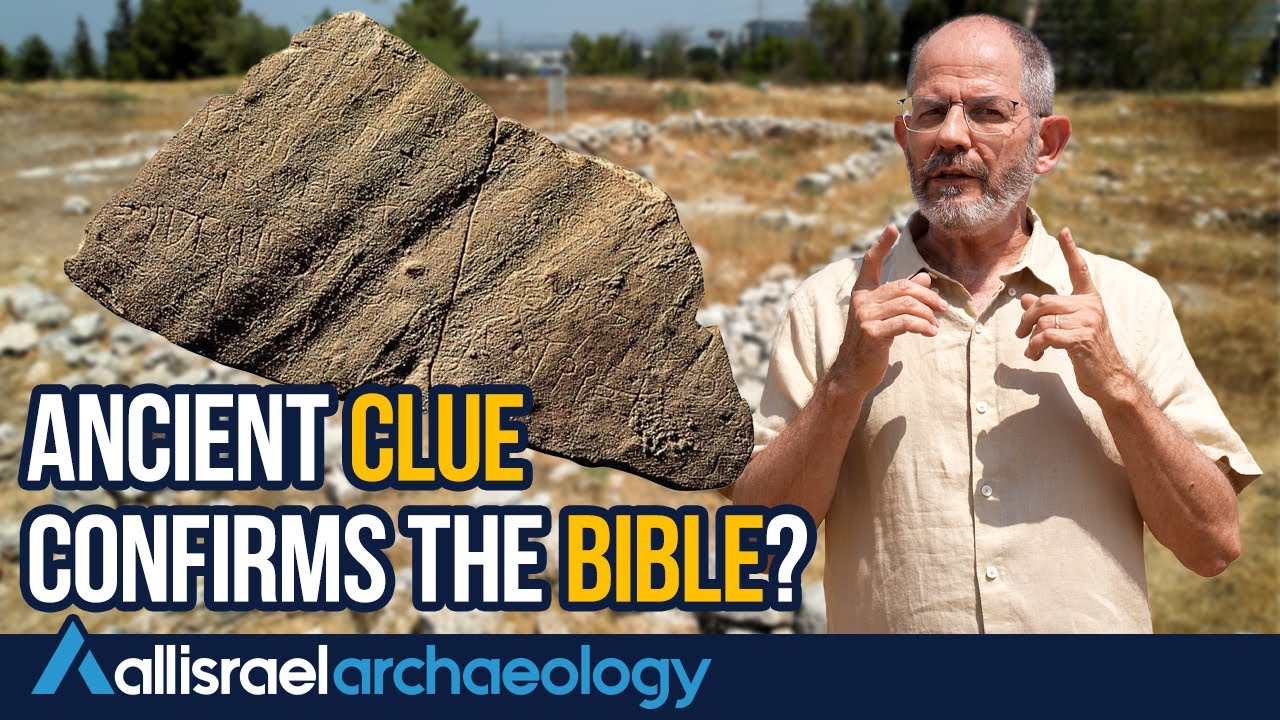
This video explores the archaeological excavation at Isbet Sarta, examining how the discovery of a 3,000-year-old pottery shard containing an early Hebrew alphabet exercise challenges academic skepticism about ancient Israelite literacy before ultimately shedding new light on when the Torah and the Bible were first written
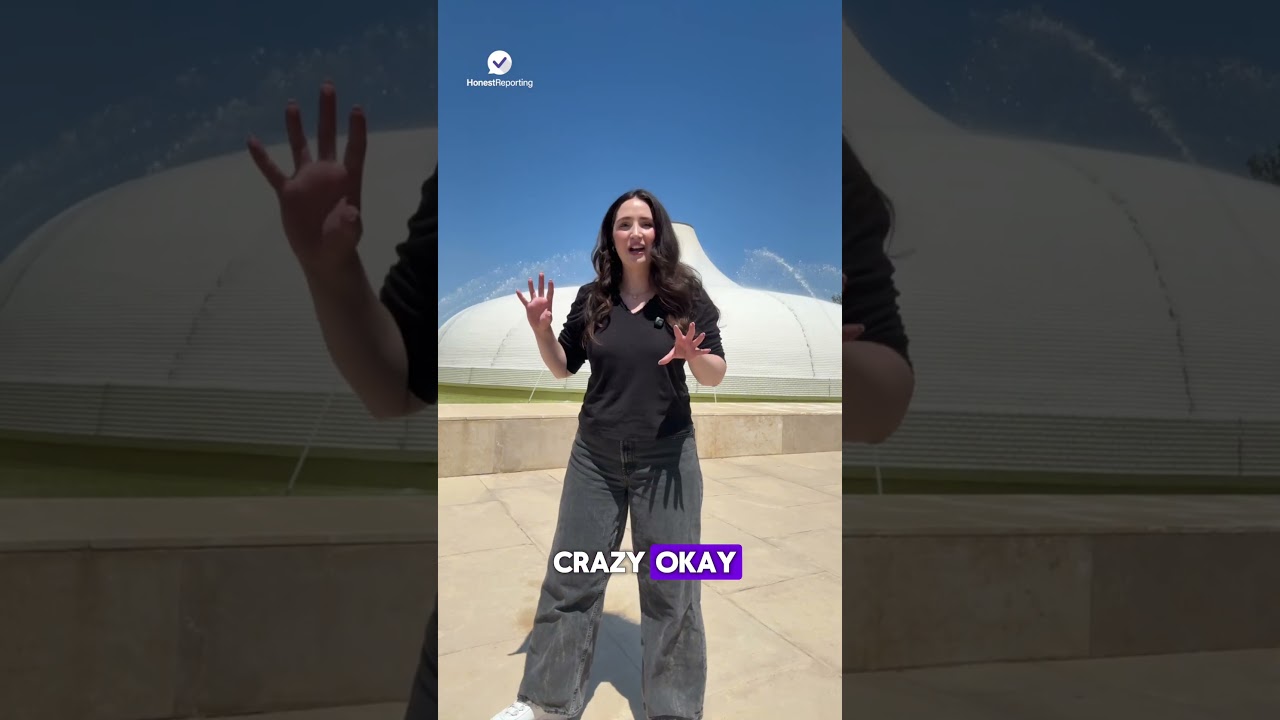
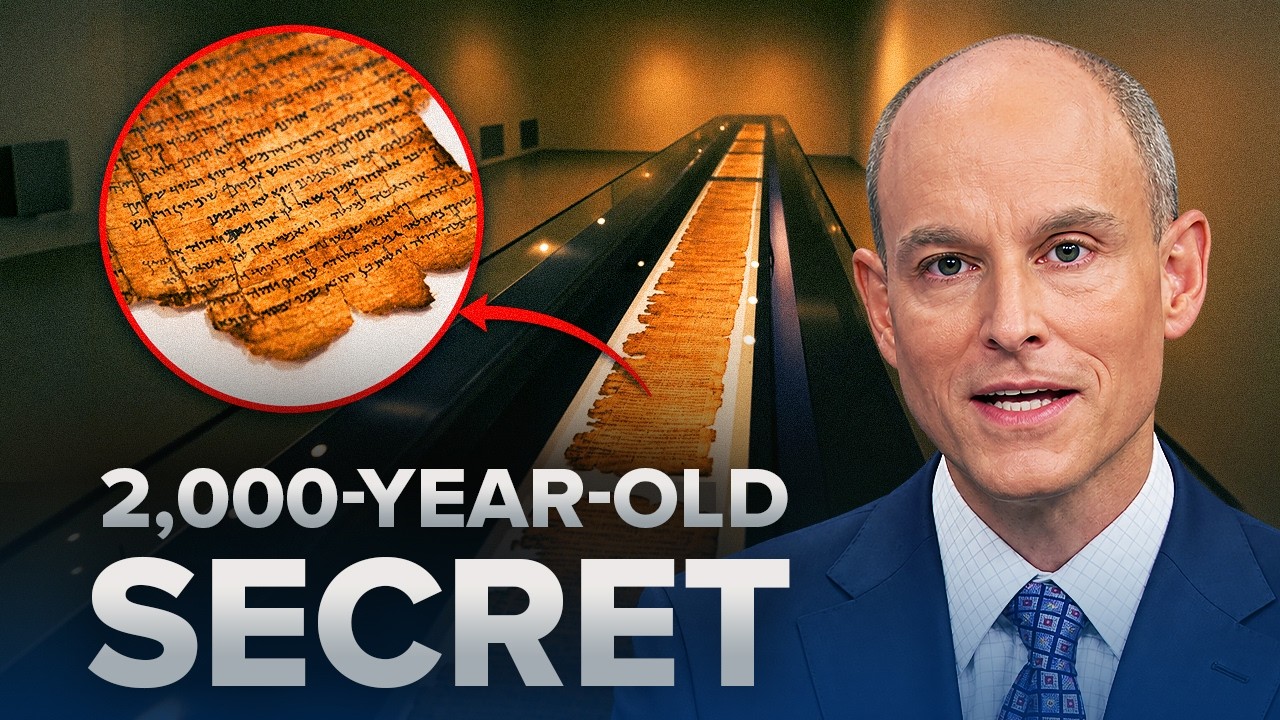
This video explores the striking architectural design of the Shrine of the Book, examining how the 2,000-year-old Dead Sea Scrolls were safely hidden in Judean desert caves to escape Roman invaders before ultimately demonstrating the extraordinary, unbroken continuity of the Hebrew language from antiquity to the modern day
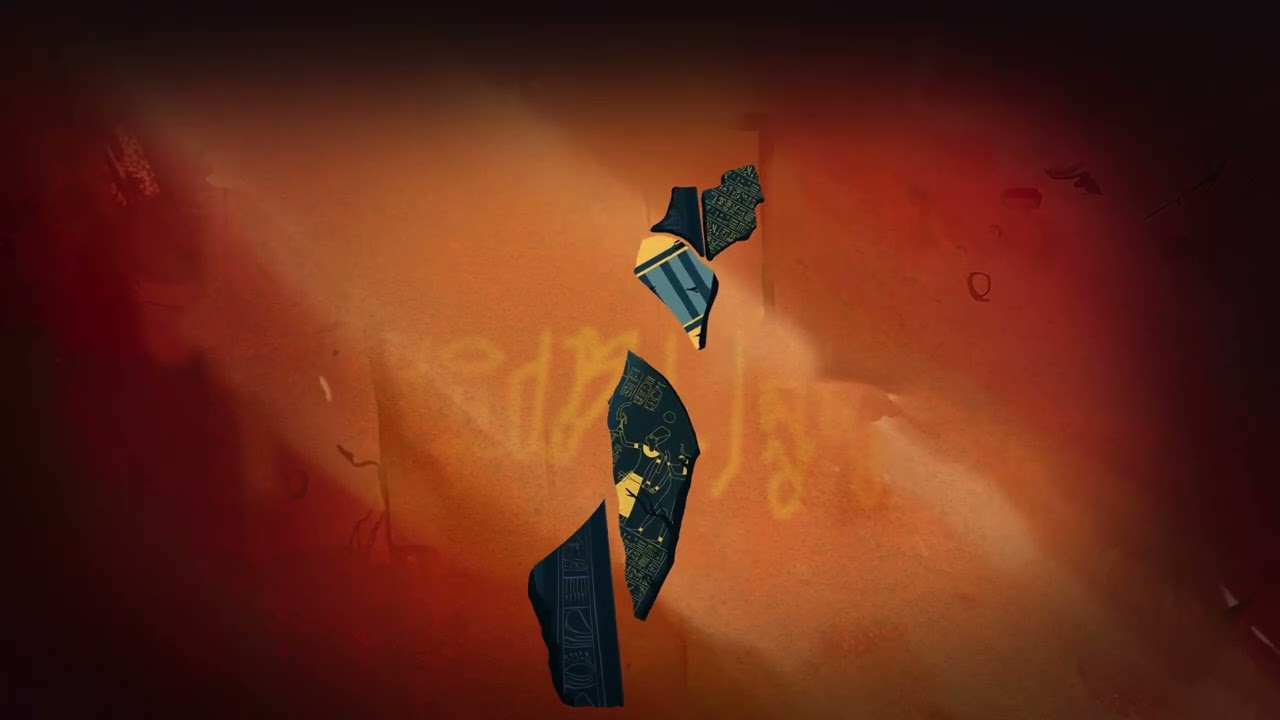
This video explores the historical significance of the Merneptah Stele, an ancient Egyptian artifact that provides the earliest known written reference to Israel outside of the Bible
This video explores the discovery of two ancient silver scrolls that contain the oldest known biblical text. These amulets from 600 BCE confirm the long-standing roots of Jewish prayer and tradition in Jerusalem.
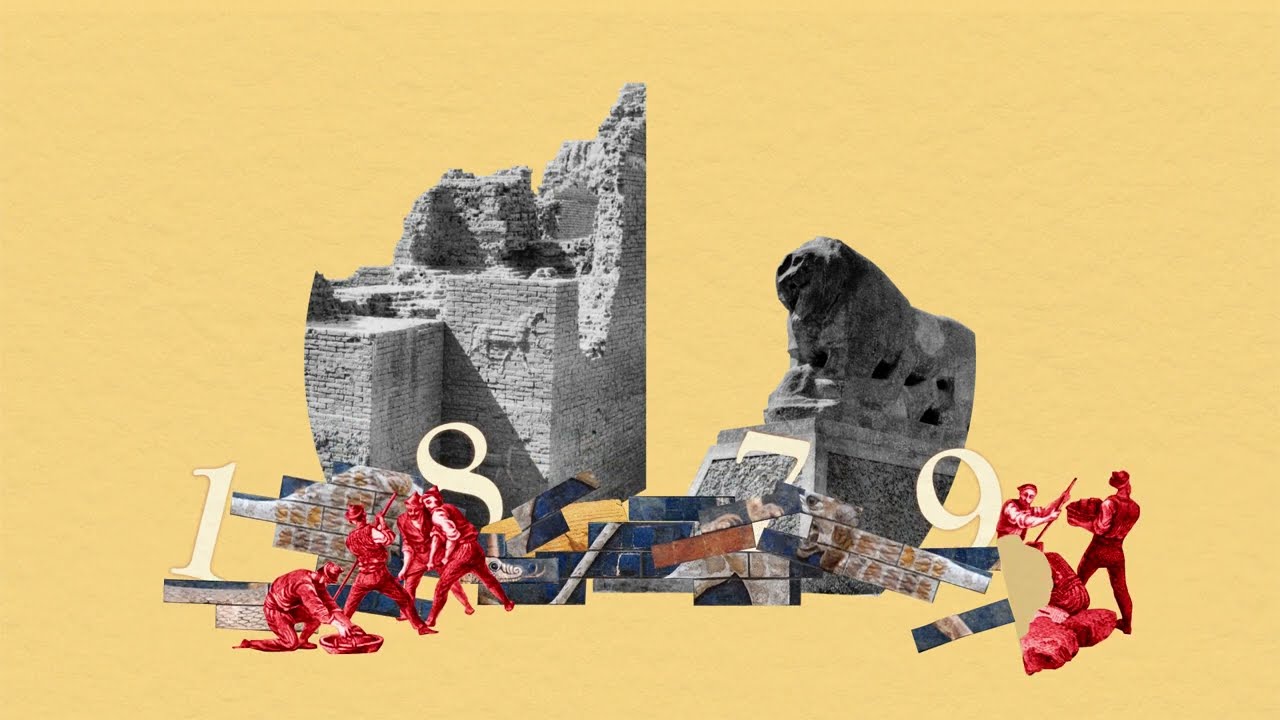
This video details how Cyrus the Great’s conquest of Babylon in 539 BCE led to a historic decree allowing the exiled Jewish people to return to Jerusalem and rebuild their Temple. It highlights how the 1879 archaeological discovery of the cuneiform Cyrus Cylinder directly aligns with the biblical narrative in the Book of Ezra, proving that a foreign king recognized the connection between the Jewish nation and their land 2,500 years ago.
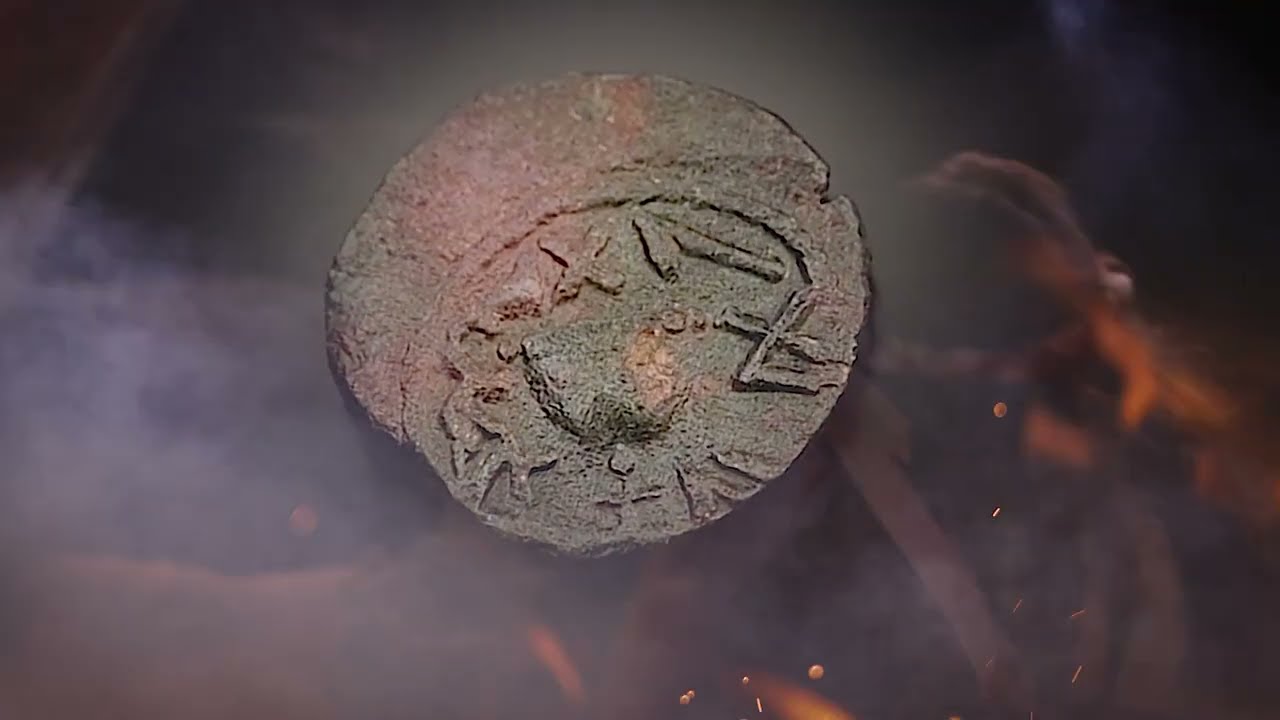
This video explores the discovery of a 2,000-year-old Jewish coin minted in Jerusalem during the Great Revolt, bearing the inscription “For the Redemption of Zion” just months before the destruction of the Second Temple.
This video explores the Merneptah Stele, an ancient Egyptian inscription containing the earliest known reference to Israel outside the Bible, confirming the presence of the Israelites as a people in the ancient Near East.
This video highlights the Ketef Hinnom silver scrolls, dating back 2,600 years and containing the oldest known surviving biblical text. Inscribed with the Priestly Blessing, they reveal the ancient roots of Jewish traditions and the Jewish people’s enduring connection to the Land of Israel.
This video highlights the Dead Sea Scrolls, nearly 2,000-year-old manuscripts that preserve the Hebrew Bible and reveal the continuity of Jewish language, faith, and traditions in the Land of Israel across millennia.
The Tel Dan Stele is a 3,000-year-old inscription providing the earliest known archaeological reference to the House of David, offering evidence of King David’s dynasty and the Jewish people’s ancient history in the Land of Israel.
This video tells the story of Hezekiah’s Tunnel, a 2,700-year-old passage built to protect Jerusalem from the Assyrian invasion, confirming the biblical account of King Hezekiah’s preparations to defend the city.
This video tells the story of the ancient Temple Mount capstone, inscribed in Hebrew with the words “To the Trumpeter’s House.” The 2,000-year-old inscription reveals the continuity of Jewish language, traditions, and religious life in Jerusalem.
The Mesha Stele, a 3,000-year-old inscription, provides evidence of ancient Israelite kings, the Tribe of Gad, and the Jewish people’s presence in the Land of Israel, corroborating events recorded in the Bible.
The Kurkh Monoliths are 2,800-year-old Assyrian inscriptions that record the Kingdom of Israel’s King Ahab and his role in the Battle of Qarqar, providing contemporary evidence of ancient Israelite history.
The Black Obelisk of Shalmaneser III is a 2,800-year-old Assyrian monument depicting Jehu, King of Israel, paying tribute to the Assyrian king, providing a rare visual record of an ancient Israelite ruler.
This video traces the Assyrian campaign against Judah in 701 BCE, through the discovery of the Taylor Prism, an ancient inscription that records King Sennacherib’s invasion and his failed attempt to conquer Jerusalem under King Hezekiah.
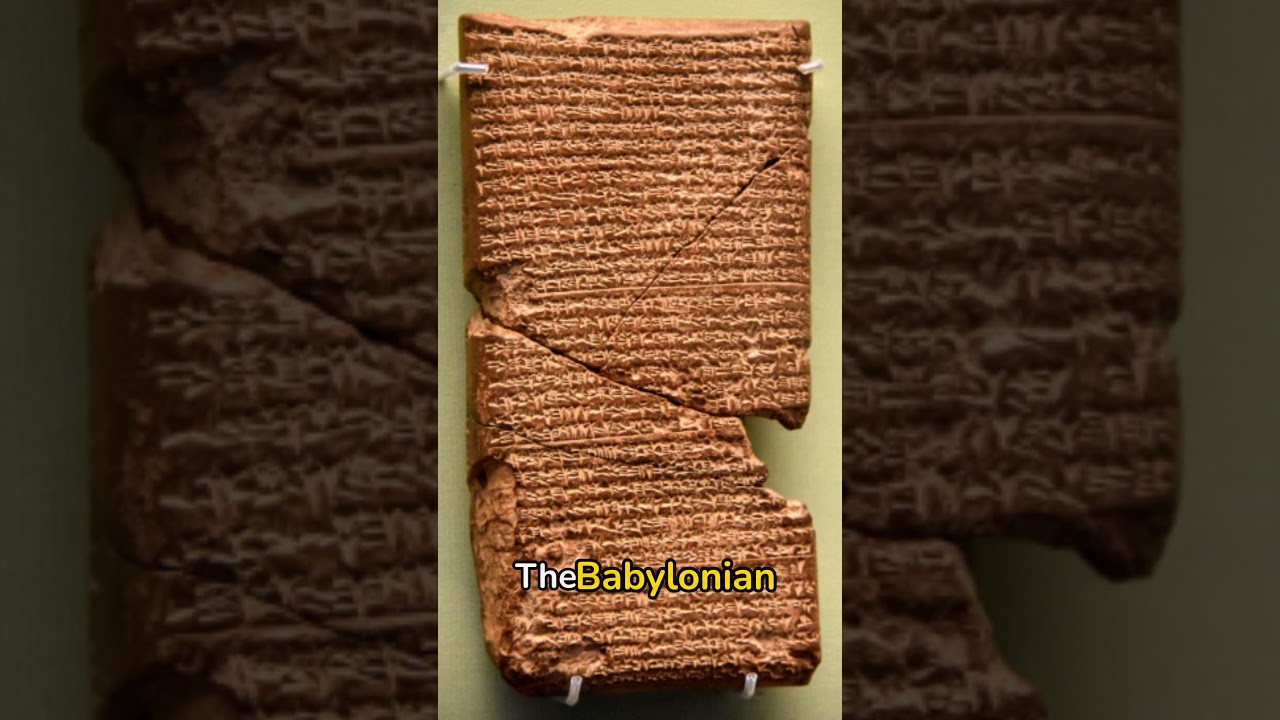
This video examines the Babylonian Chronicles, 2,600-year-old clay tablets recording King Nebuchadnezzar’s siege of Jerusalem in 597 BCE and the capture of King Jehoiachin, providing independent historical confirmation of the biblical account in 2 Kings.
This video uncovers the Jehoiachin Ration Tablets, ancient Babylonian records documenting the provisions given to King Jehoiachin during his exile, providing archaeological evidence that corroborates the biblical account of his capture by King Nebuchadnezzar.
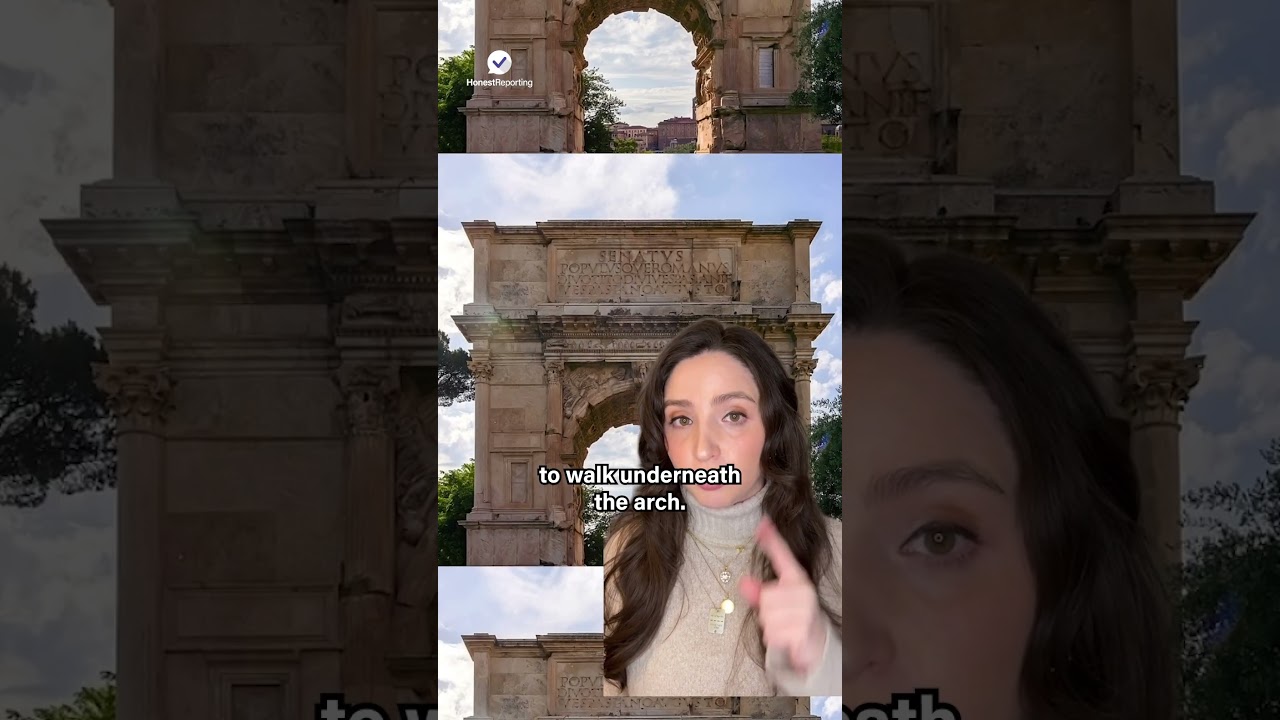
This video tells the story of the Arch of Titus, a Roman monument commemorating the destruction of Jerusalem and the Second Temple in 70 CE. Its depiction of the Temple’s treasures, including the golden menorah, preserves a visual record of Jewish life in the Land of Israel nearly 2,000 years ago.
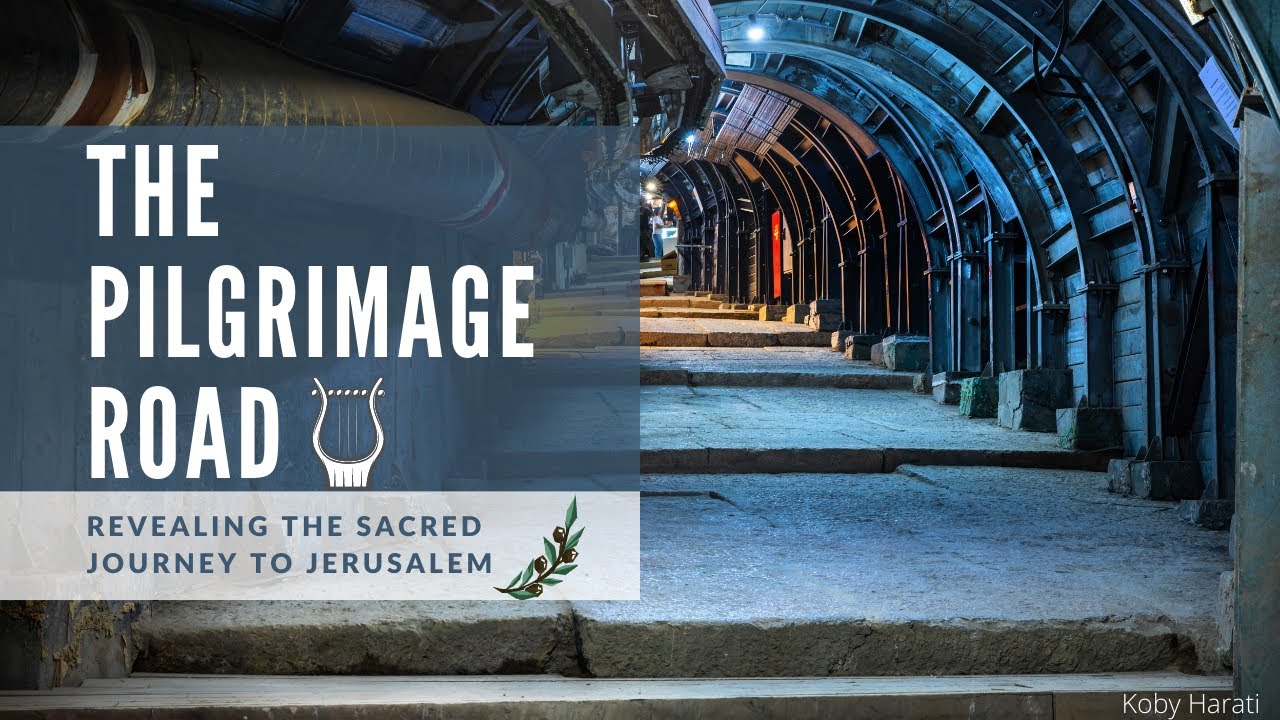
This video uncovers the ancient Pilgrimage Road in Jerusalem’s City of David, a 2,000-year-old route traveled by Jewish pilgrims on their way to the Second Temple, providing a remarkable glimpse into Jewish life in Jerusalem before the Roman destruction in 70 CE.
The Temple Mount Sifting Project has uncovered ancient coins, Temple floor tiles, and First Temple-era seals, revealing archaeological evidence of the Jewish people’s historic connection to Jerusalem and the Temple Mount.
This video defines Zionism through the three pillars of the Jewish people, the Land of Israel, and the Jewish state, tracing the thousands of years of history, culture, and archaeological evidence that connect the Jewish people to their ancestral homeland.
This video brings together archaeological discoveries from Jerusalem and the Land of Israel, including ancient seals, city walls, royal inscriptions, Hezekiah’s Tunnel, and Hasmonean coins, revealing thousands of years of Jewish history and presence in the land.
This video highlights the discovery of 2,000-year-old Tefillin in the Qumran caves, containing Torah verses from Deuteronomy that provide the earliest physical evidence of this ancient Jewish tradition.
This video highlights the historical evidence for the Israelites, from ancient inscriptions mentioning the House of David to the exiles, and the Jewish people’s lasting ancestral and cultural connection to the land of Israel.
This video tells the story of the Great Isaiah Scroll, discovered in the Judean Desert in 1947, its remarkable preservation for over 2,000 years, and its return to Israel alongside the rebirth of the Jewish state.
This video reveals the remarkable archaeological discovery of a clay seal bearing the name of King Hezekiah of Judah, providing a tangible connection to the biblical king and Jerusalem’s ancient history.
Unit 6

This video explores how the Western term “religion” fails to capture the true essence of Judaism, which is actually a portable suitcase of a native civilization’s identity. Speaker Rudy Rochman calls for the decolonization of the Jewish mentality to overcome sectarian divisions imposed by outside societies.
This video argues that the Jewish people are not a race but rather a unique combination of national and religious identity. It notes that despite spending two thousand years scattered in the Diaspora, the Jewish nation remains one of the oldest surviving civilizations.
This video illustrates the difficulty of defining Jewishness through conventional labels like religion, race, or nationhood. It presents the perspective that Jews are “the children of Israel,” making the global Jewish community fundamentally a large, diverse family.
This video dismantles the classification of Jewishness by race, culture, nationality, or religious practice, highlighting the immense diversity of the global Jewish population. It explains that according to Judaism, being Jewish means having a Jewish soul inherited from a Jewish mother or received through conversion.
This video explains that the Jewish people predate modern European racial categories, which did not exist when Jewish identity was formed over 3,000 years ago. It describes Jewish identity as a civilization of shared history and peoplehood deeply rooted in the land of Israel.
This video features Jonah Platt discussing how Jewish Americans are responding to geopolitical conflict, highlighting how liberal Jews navigate feeling politically homeless. It also addresses the rise of modern antisemitism and defines Zionism as the right to self-determination in their indigenous land.
This video outlines the biblical, historical, and international legal claims of the Jewish people to the land of Israel. It also explains that early Jewish pioneers legally purchased land from willing Arab sellers at highly inflated rates.
This video presents archaeological, historical, and biblical evidence proving the 3,000-year-old connection of the Jewish people to the land of Israel. Host Noa Tishby explains that Zionism is a movement for Jewish self-determination and asserts that supporting indigenous rights means being a Zionist.
This video examines the ancient roots of Jewish identity as a people with shared ancestry, history, and culture, tracing their enduring connection to the Land of Israel long before modern racial categories existed.
This video discusses the historical treatment of Jews as a distinct ethnic and national people, highlighting the tension between Jewish identity, assimilation and the recognition of Jewish nationhood.
Unit 7
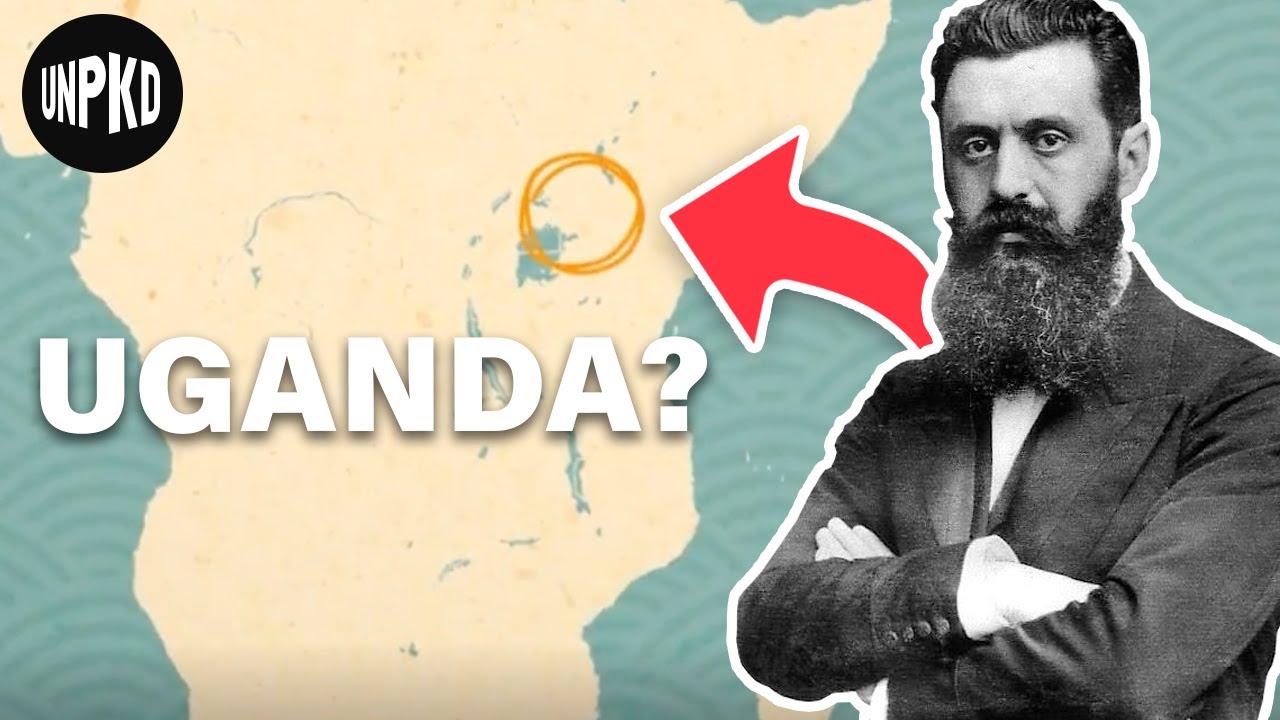

This video details Theodor Herzl’s proposal for a temporary safe haven in East Africa to protect Jews from rampant antisemitism and the intense opposition it faced from the Zionist Congress.
This video explores various historical attempts to establish Jewish states in diverse locations ranging from ancient Babylonia to Niagara Falls. It demonstrates that while these alternative options never lasted, they underscore that the Land of Israel is the only place where a Jewish homeland has permanently and successfully taken root.
This video explores the unique, 4,000-year-old connection of the Jewish people to the Land of Israel, framing it as their place of destiny to build a society of justice and compassion. It emphasizes that Israel is the only place on Earth where Jews are a majority with self-rule, enabling them to shape a culture as the land’s original inhabitants rather than a colonial presence.
This video highlights Rabbi Sacks’ perspective that Israel represents the only place on Earth where the Jewish people have the opportunity to construct a self-determining society based on their own beliefs.
This video explains how antisemitism is a mutating virus that historically targeted Jewish religion and race, but now manifests as anti-Zionism by denying the Jewish state’s right to exist.
Unit 8
This video describes Zionism as the privilege of empowering the Jewish people to become the leading directors and protagonists of their own national storyboard rather than supporting actors in someone else’s story.
This video features Golda Meir asserting that the conflict with Arab nations is not about territory, but rather a fundamental refusal to acknowledge the Jewish right to self-determination and existence. She firmly declares that her policy is centered entirely on keeping the Jewish people alive and protecting their independence.
This video defines Zionism not as a movement of ideological elites, but as a critical rescue project that saved millions of Jewish lives when international quotas blocked other refuges in the 20th century.
This video examines why the Land of Israel was the only viable option for the Jewish people, explaining how alternatives like the Uganda Plan and other countries failed to offer lasting safety, independence, and a homeland of their own.
Unit 9
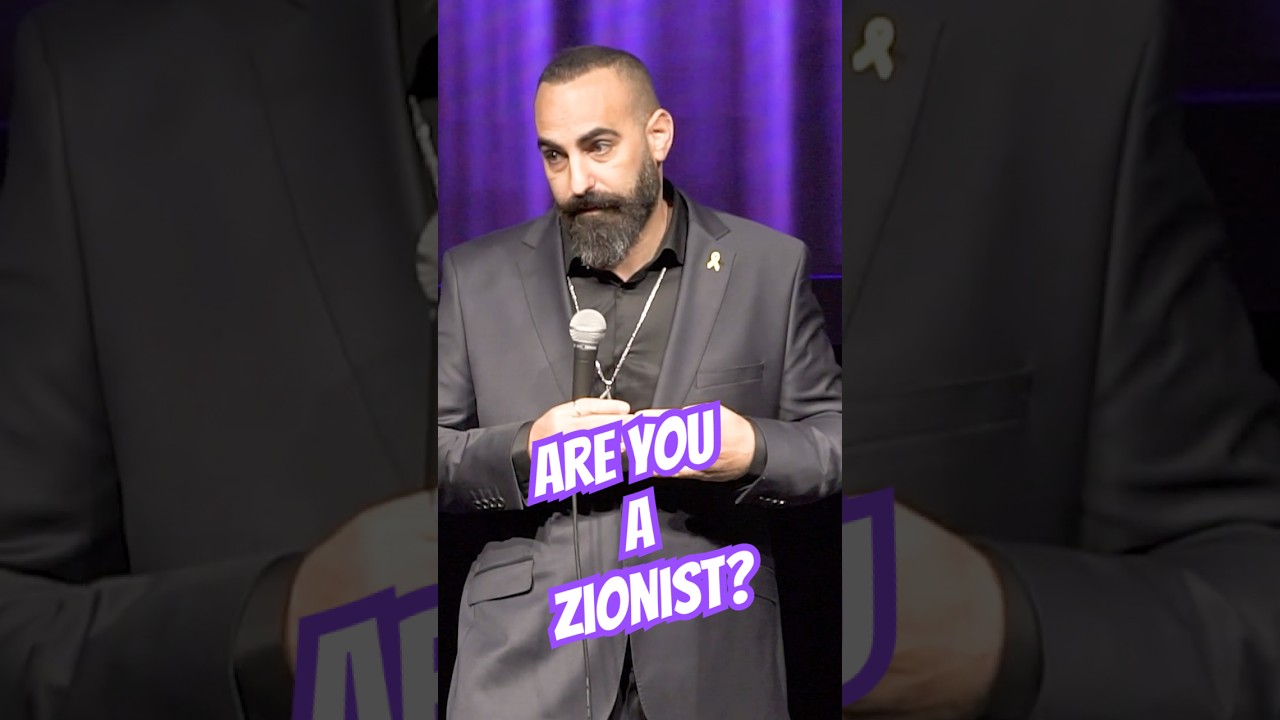

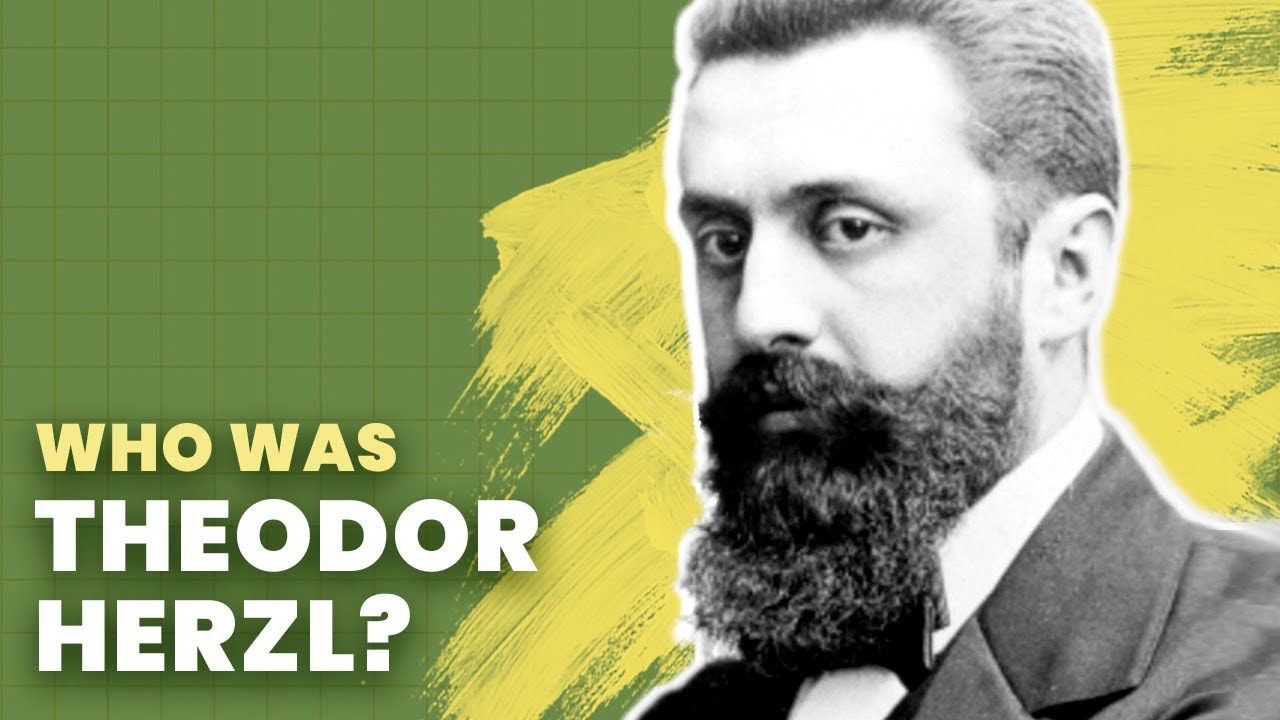


This video humorously examines the definition of Zionism through a stand-up routine interacting with immigrants making Aliyah to Israel. The speaker jokingly suggests that true Zionism involves “downgrading” one’s quality of life from a comfortable Western city like Miami or Manhattan to help build up the country, rather than using Israel merely as a shelter from difficult situations.
This video traces the 3,000-year-old roots of the Jewish connection to Israel, illustrating how centuries of exile and prayer culminated in a modern organized movement.
This video presents Zionism as a movement of national self-determination and decolonization that asserts Jews share a national identity and have the right to a democratic state in their ancestral homeland.
This video describes Zionism as the fundamental belief that the Jewish people have the right to live freely in their ancestral homeland of Israel. It frames the movement as a means of survival and self-authorship after 2,000 years of global exile, persecution, and homelessness.
This video introduces the life, legacy, and vision of Theodor Herzl, tracing his journey from witnessing the infamous Dreyfus Affair to establishing the annual Zionist Congress in 1897.
This video highlights the life and enduring impact of Rabbi Abraham Isaac Kook, who shaped religious Zionism and worked to bridge the deep divide between religious and secular Jews.
This video traces the story of Louis Brandeis, the first Jewish U.S. Supreme Court Justice, who reconnected with his Jewish heritage while working as a reform lawyer defending Jewish workers.
This video presents Prof. Gil Troy’s passionate defense of Zionism as a legitimate and inspiring movement of national renewal that rescued a scattered, persecuted people.
This video challenges extreme, demonizing stereotypes by defining Zionism as a movement for national self-determination that recognizes the Jews as a people with the right to a democratic state in their ancestral homeland.
This video traces the Jewish people’s 3,000-year connection to the Land of Israel, from their ancient homeland and centuries of exile to the rise of Zionism and the establishment of the modern State of Israel.
For a new generation of Israelis, the Jewish state can feel like a given. This video traces the struggles and sacrifices that made Israel possible and the importance of keeping the ideals of Zionism alive.
This video examines the meaning of Zionism, its roots in Jewish peoplehood, the Jewish connection to the Land of Israel and the importance of a sovereign Jewish state, while emphasizing the need to raise proud, strong and rooted Jewish generations.